Indian Single Malt we stock
In stock now, at today’s prices. Order online for pickup, delivery or shipping.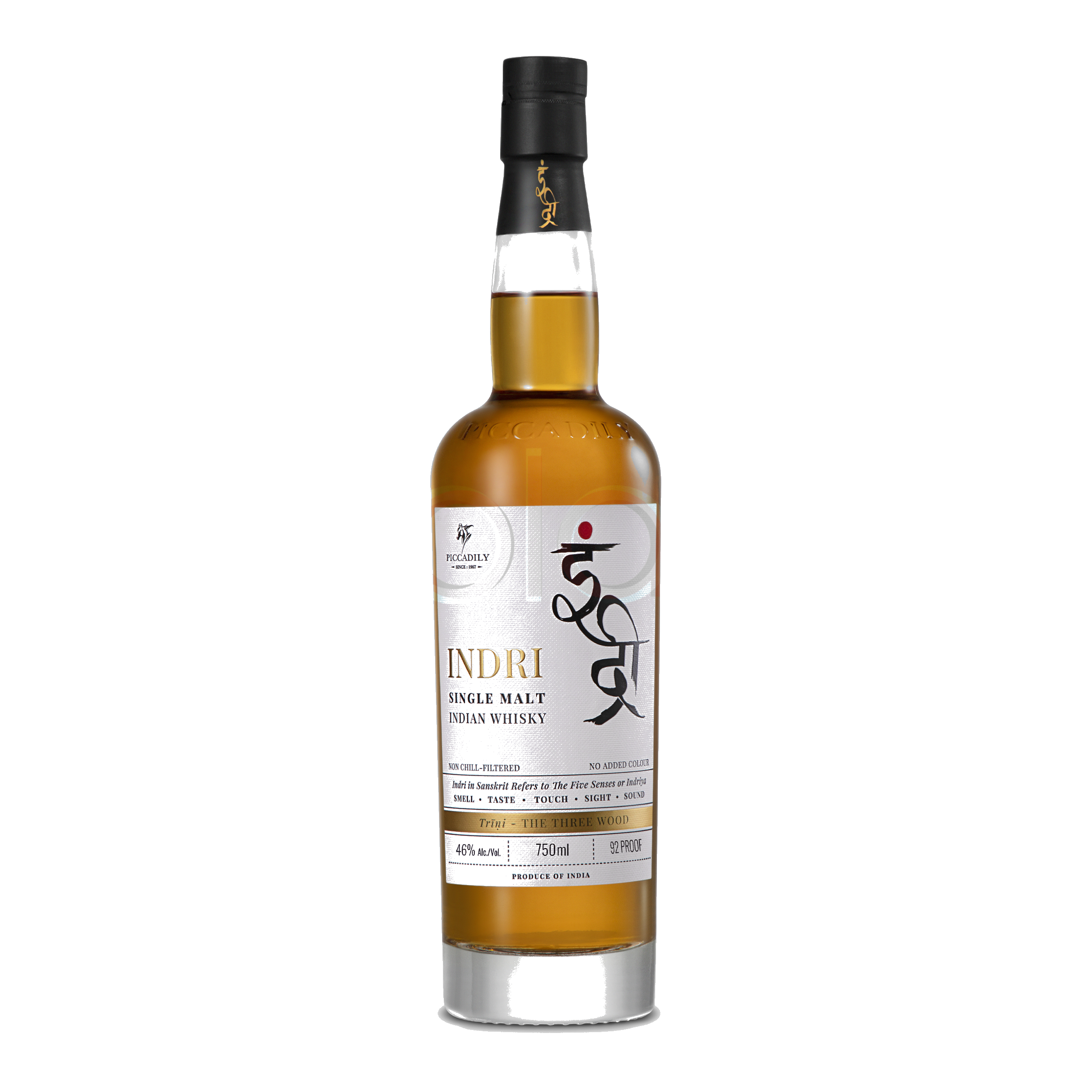 FeaturedINDRITrini Single Malt750 ML$45.99Add to cart
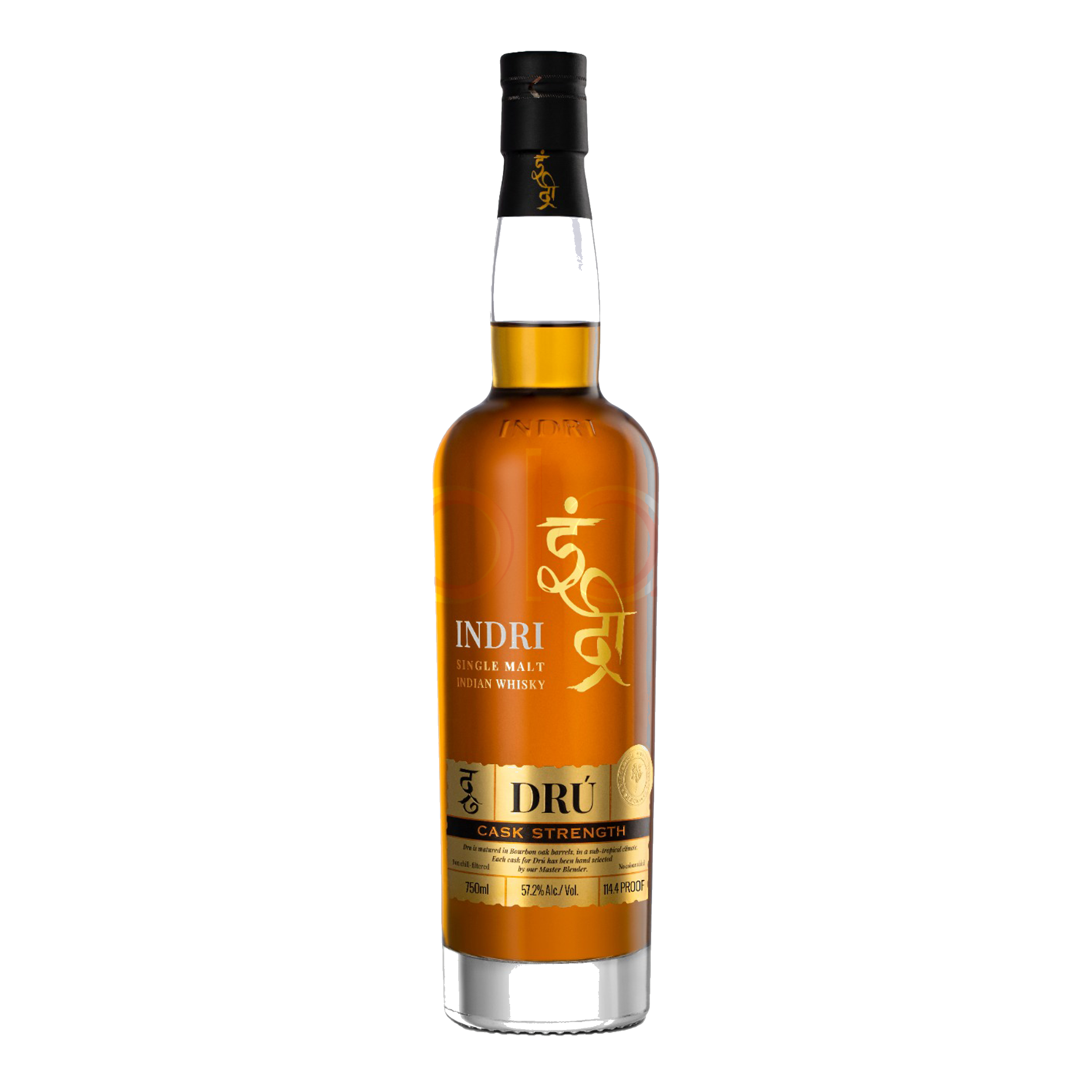 FeaturedINDRIDru Cask Strength750 ML$64.99Add to cart
 FeaturedRampurDouble Cask750 ML$74.99Add to cart
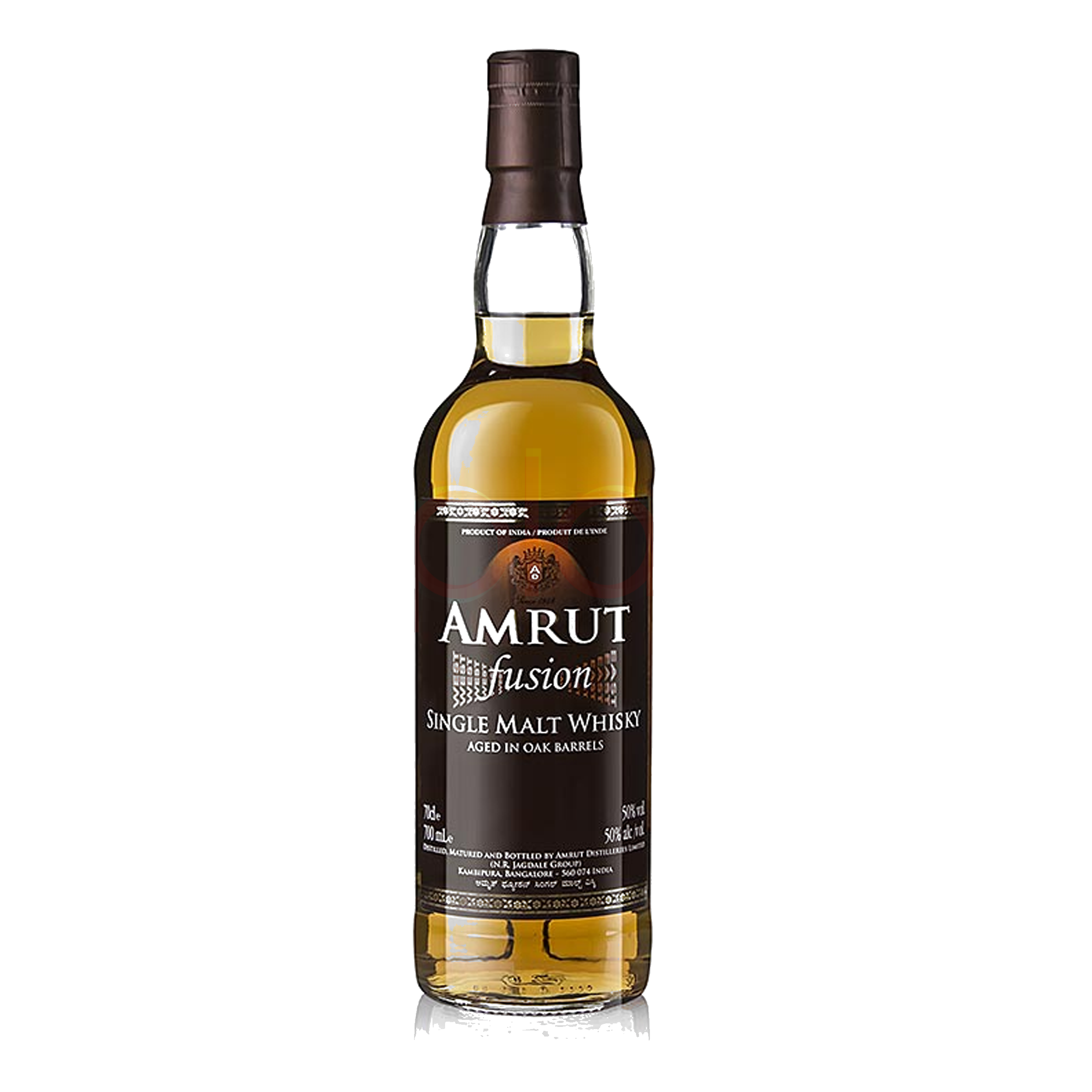 FeaturedAMRUTFusion Single Malt750 ML$62.99Add to cart
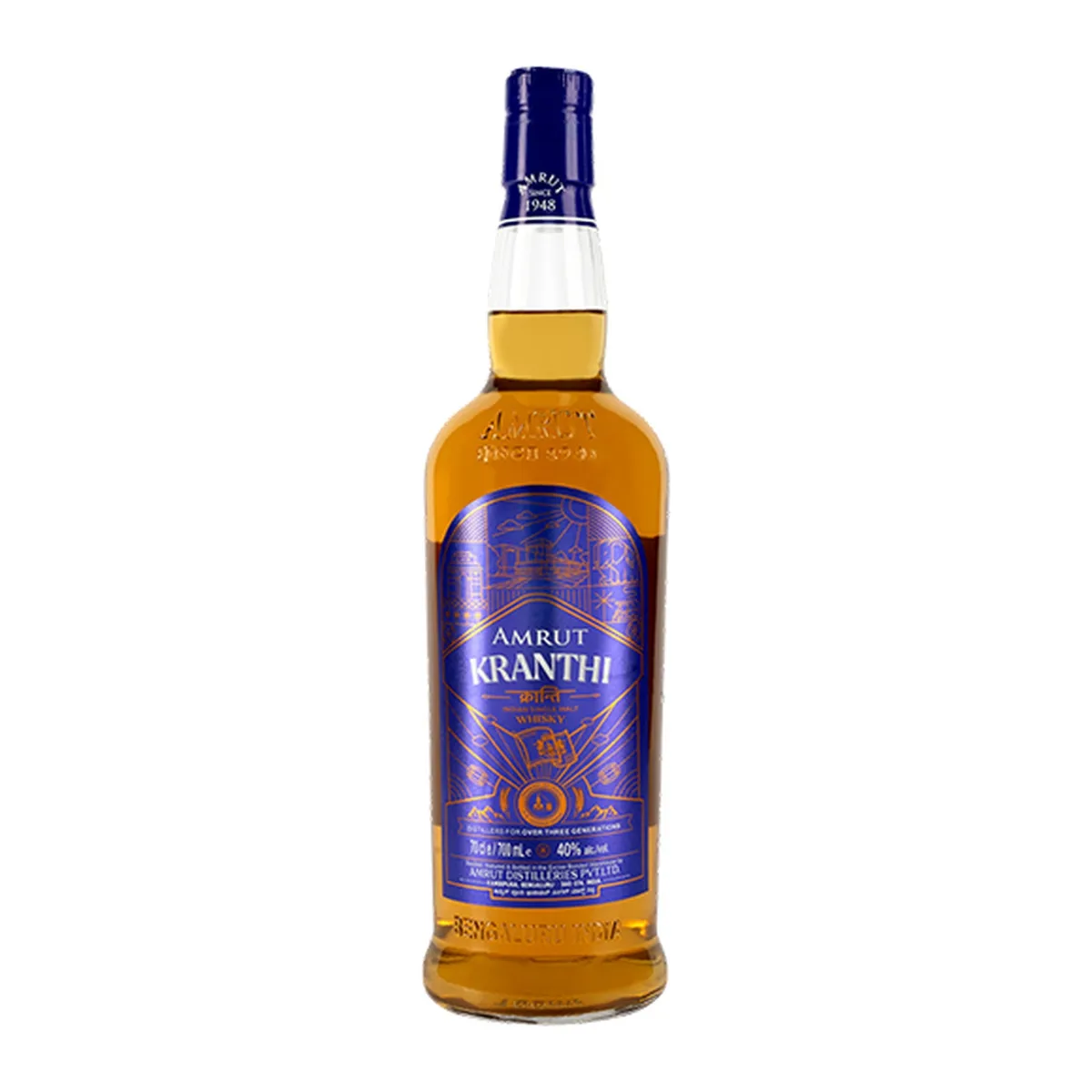 FeaturedAMRUTKranthi750 ML$29.99Add to cart
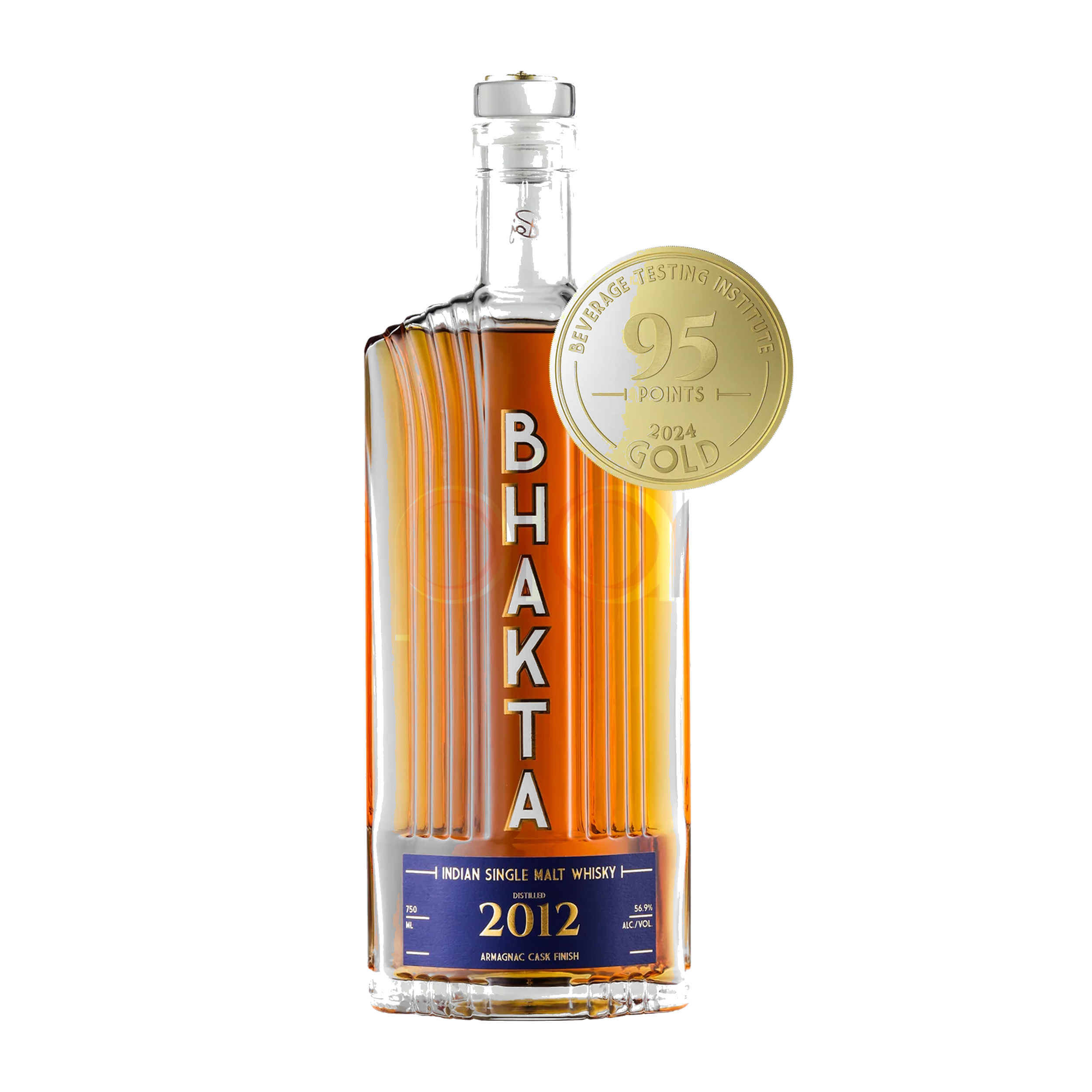 FeaturedBHAKTAIndian Single Malt750 ML$119.99Add to cart
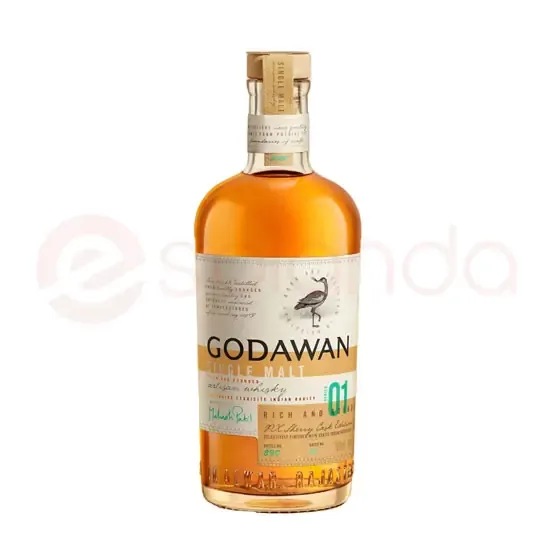 GODAWANArtisan Single Malt700 ML$64.99Add to cart
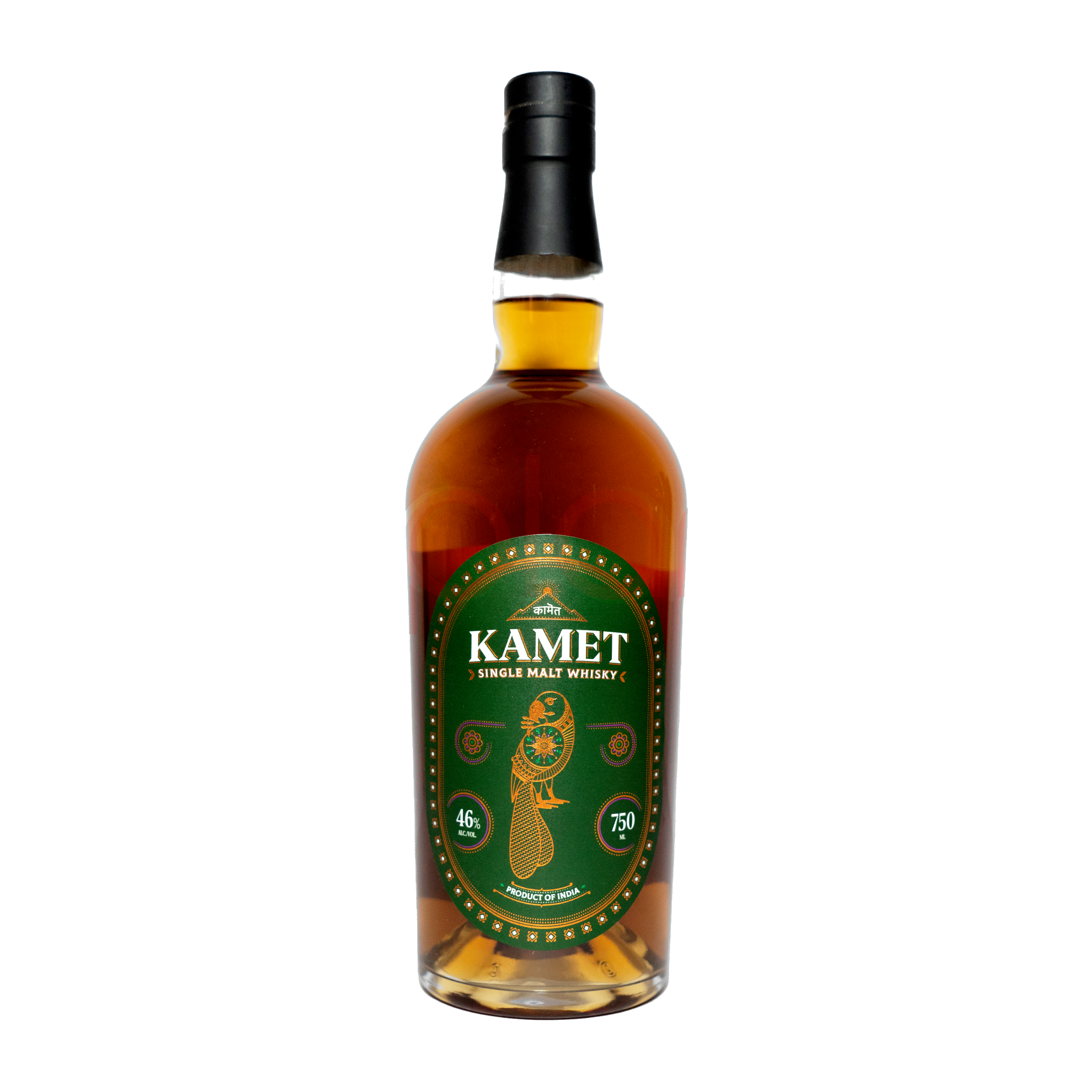 KAMETSingle Malt Whisky750 ML$39.99Add to cart
 Paul JohnClassic Select Cask750 ML$72.99Add to cart
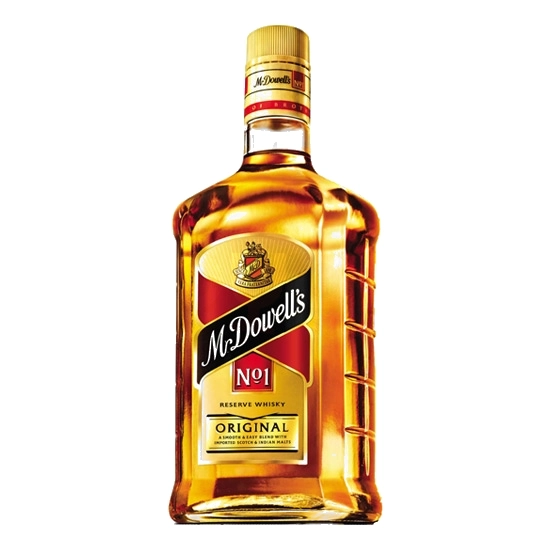 MRDOWELLSOriginal No 1 Whiskey750 ML$18.99Add to cart
A single malt Scotch whisky is made at one distillery in Scotland from malted barley and water, then aged in oak for at least three years. We are CBC Liquors on Littleton Rd in Westford, and this guide helps you choose one: what the label tells you, how the types differ, and how to pour it.
What is a single malt Scotch whisky?
A single malt Scotch whisky is made at one distillery in Scotland from malted barley and water, and aged at least three years in oak. Each word in the name carries a rule, and together they tell you a lot before you open the bottle.
"Single" means every drop came from one distillery. It can still be a blend of many casks from that distillery. "Malt" means the grain is malted barley and nothing else. "Scotch" means it was made and aged in Scotland.
The whisky is distilled in copper pot stills, in batches, rather than in the continuous column stills used for most grain whisky. Pot stills tend to leave more flavor in the spirit, which is a large part of why single malts have such a recognizable character.
By law, Scotch whisky is bottled at no less than 40 percent alcohol by volume. Many single malts are bottled at 43, 46 or higher, and some are bottled at cask strength with no water added to bring them down.
If you want to browse the whole family, our whiskey section is the place to start, and the Scotch page narrows it to bottles from Scotland. If you want to see the same idea made outside Scotland, our Indian single malt page is the place to look.
Is it single malt whisky or whiskey, and does it have to be Scotch?
Single malt whisky, single malt whiskey and single malt Scotch whisky all point at the same idea: whisky made from malted barley at one distillery. The spelling changes by country. Scotland, Canada, Japan and India write "whisky". Ireland and the United States usually write "whiskey". Scotch is always "whisky" on the label.
Single malt does not have to be Scotch. Scotch is the best known home of the style, but it is made in other countries too. "Scotch" is simply the rule that says it was made and aged in Scotland.
So when you search for single malt Scotch whiskey, you are asking for one particular corner of a bigger family. The rest of this guide stays with Scotland first, then turns to India near the end.
What does single Scotch mean, and how is it different from blended Scotch?
"Single Scotch" is shorthand most people use for single malt Scotch: one distillery, malted barley, made and aged in Scotland. A single malt shows you that one distillery's house style, while a blended Scotch combines malt whisky from several distilleries with lighter grain whisky made from grains such as wheat or corn.
The blender's job is consistency: the same bottle should taste the same year after year. With a single malt, you can expect a little more variation from one bottle to the next. That is one reason people who enjoy one single malt often like to compare it with another.
Neither is better in any absolute sense. Blends are often used in a highball or a cocktail, while single malts are more often sipped on their own. Pick based on how you plan to drink it.
You may also see "single grain" Scotch. That is grain whisky from one distillery, and it is a different thing from a single malt, even though the wording is similar.
What are the types of single malt Scotch?
The simplest way to sort the types of single malt Scotch is by region, and the regions give you a rough map of style, with plenty of exceptions. Speyside, in the northeast, is known for lighter, fruity and honeyed whiskies, often matured in sherry or bourbon casks.
The Highlands cover a large area and range from rich and malty to dry and spicy. The Lowlands tend toward gentle, grassy and floral whiskies.
Islay, a small island off the west coast, is known for smoky, briny whiskies. Campbeltown and the other islands have their own styles, often with a salty, oily or lightly smoky character.
You can also sort by cask and by peat. A sherry-cask malt, a bourbon-cask malt, a double cask and a cask strength bottle each drink differently, and a peated malt differs from an unpeated one. The sections below cover both.
Use the regions as hints, not rules. Two distilleries in the same region can taste very different, and the cask used often changes the whisky more than the map does.
What do age statements and cask labels tell you about a single malt?
An age statement such as 12 Years Old is the age of the youngest whisky in the bottle. Older whisky may be in there too, but nothing younger. Whisky does not keep aging once it is in glass, so the number on the label is the age it was when it was bottled.
Older does not automatically mean better. Time in oak adds softness, spice and dried fruit notes, and it also takes away some of the fresh grain and fruit character a younger whisky has. Some people prefer the brighter, younger style.
Cask type matters as much as years. Casks that once held American bourbon tend to give vanilla and coconut notes. Casks that once held sherry give dried fruit, nuts and a darker color. Labels such as "double cask" or "finished in" tell you the whisky spent time in a second type of wood.
A label with no age statement is not a warning sign. The distillery has chosen to blend for flavor rather than for a number. That is a good reason to read the cask notes as well as the age.
What does peated mean, and will you like it?
Peated means the malted barley was dried over a fire fueled with peat, and the smoke carries through into the whisky. Peat is partly decayed plant matter, cut from boggy ground and burned in the kiln. The smoke settles on the grain and shows up as flavors such as campfire, smoked tea or sea air.
Peated whisky is a matter of taste, and it is not a sign of quality either way. Some people love it from the first sip and others find it too strong. Many single malts use little or no peat and taste of fruit, malt and oak instead.
If you do not know which you prefer, start with an unpeated bottle from Speyside or the Highlands. If you want to try smoke, go for a bottle from Islay, or ask us for a lightly peated one.
How should you taste and serve single malt Scotch?
Use a glass with a narrower mouth, such as a tulip glass or a small snifter, so the aromas collect. A pour of an ounce or two is plenty for tasting.
Smell it first, then take a small sip and let it sit on your tongue before you swallow. Add a few drops of room-temperature water and taste again. Water can open up a whisky, especially one bottled at higher strength.
On the rocks is a matter of preference. Cold dulls aroma, so many people save ice for a milder whisky. Sip at your own pace, with food or water alongside, and never to keep up with anyone else.
Store a bottle upright, out of direct sunlight, at a steady room temperature. Once opened, it will keep for a good while if the cap is closed tightly.
Where does Indian single malt fit in?
Indian single malt follows the same basic recipe as Scotch: malted barley, pot stills and oak. It is not Scotch, because Scotch has to be made in Scotland, but it is a way to taste the single malt idea from another country.
On our Indian single malt shelf you will find INDRI Trini Single Malt, INDRI Dru Cask Strength, Rampur Double Cask, AMRUT Fusion Single Malt, AMRUT KRANTHI and BHAKTA Indian Single Malt.
The labels give you the same clues you use for Scotch. A "double cask" name points to a second type of wood, and "cask strength" points to a bottle with no water added to bring it down, so a few drops of water in the glass can help.
We are at 142 Littleton Rd in Westford, open Monday to Thursday 8:00 AM to 9:00 PM, Friday and Saturday 8:00 AM to 10:00 PM, and Sunday 10:00 AM to 8:00 PM. We also offer pickup, delivery and shipping, and we are rated above 4.5 out of 5 from more than 300 Google reviews. With more than 4,000 products and more than 1,800 brands on the shelves, bring your questions about style, cask or smoke and we will point you to the right section.
Common questions
What is a single malt Scotch whisky?
Whisky made at one distillery in Scotland from malted barley and water, distilled in pot stills and aged in oak for at least three years.
What does the age on a single malt label mean?
It is the age of the youngest whisky in the bottle. Whisky does not keep aging once it is bottled.
What is the difference between single malt and blended Scotch?
Single malt comes from one distillery. Blended Scotch combines malt whisky from several distilleries with grain whisky.
Is peated single malt better than unpeated?
No. Peat adds smoke, and whether you like it is a matter of taste, not quality.
Does CBC Liquors in Westford offer pickup or delivery?
Yes. We offer pickup, delivery and shipping, with pickup and delivery hours listed on our site.