
Italian White we stock
In stock now, at today’s prices. Order online for pickup, delivery or shipping.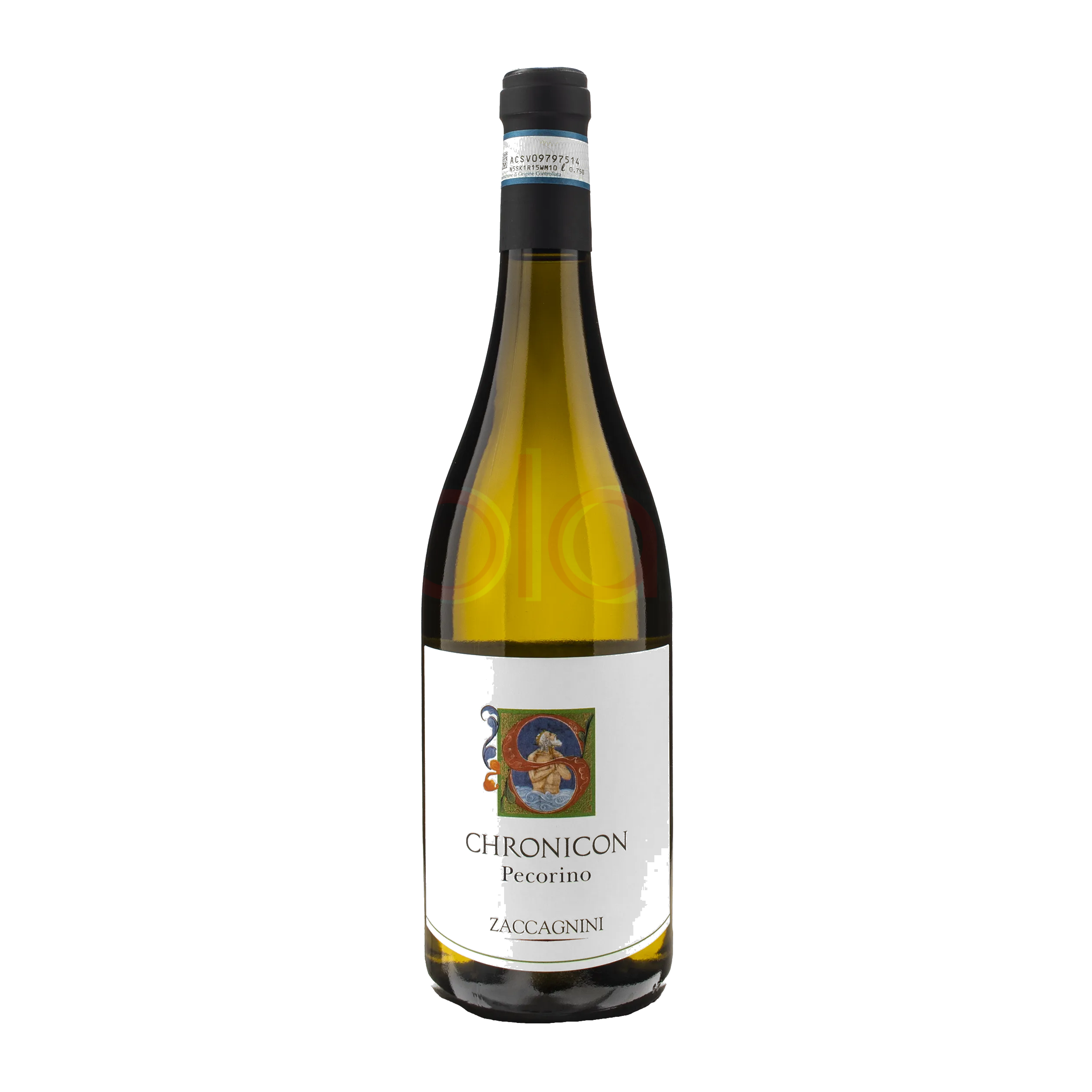 FeaturedZACCAGNINIPecorino750 ML$11.99Add to cart
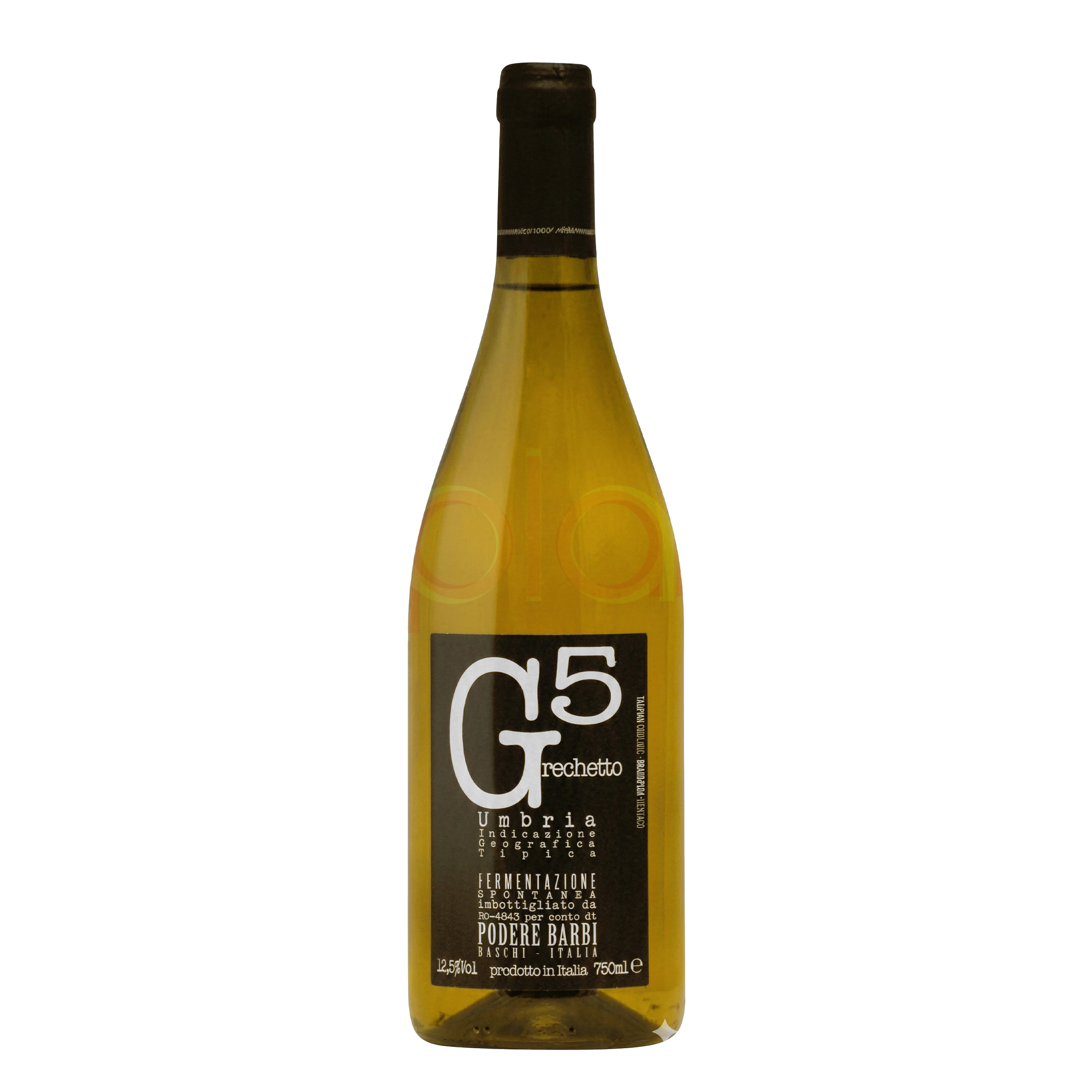 FeaturedBarbiGrechetto750 ML$11.99Add to cart
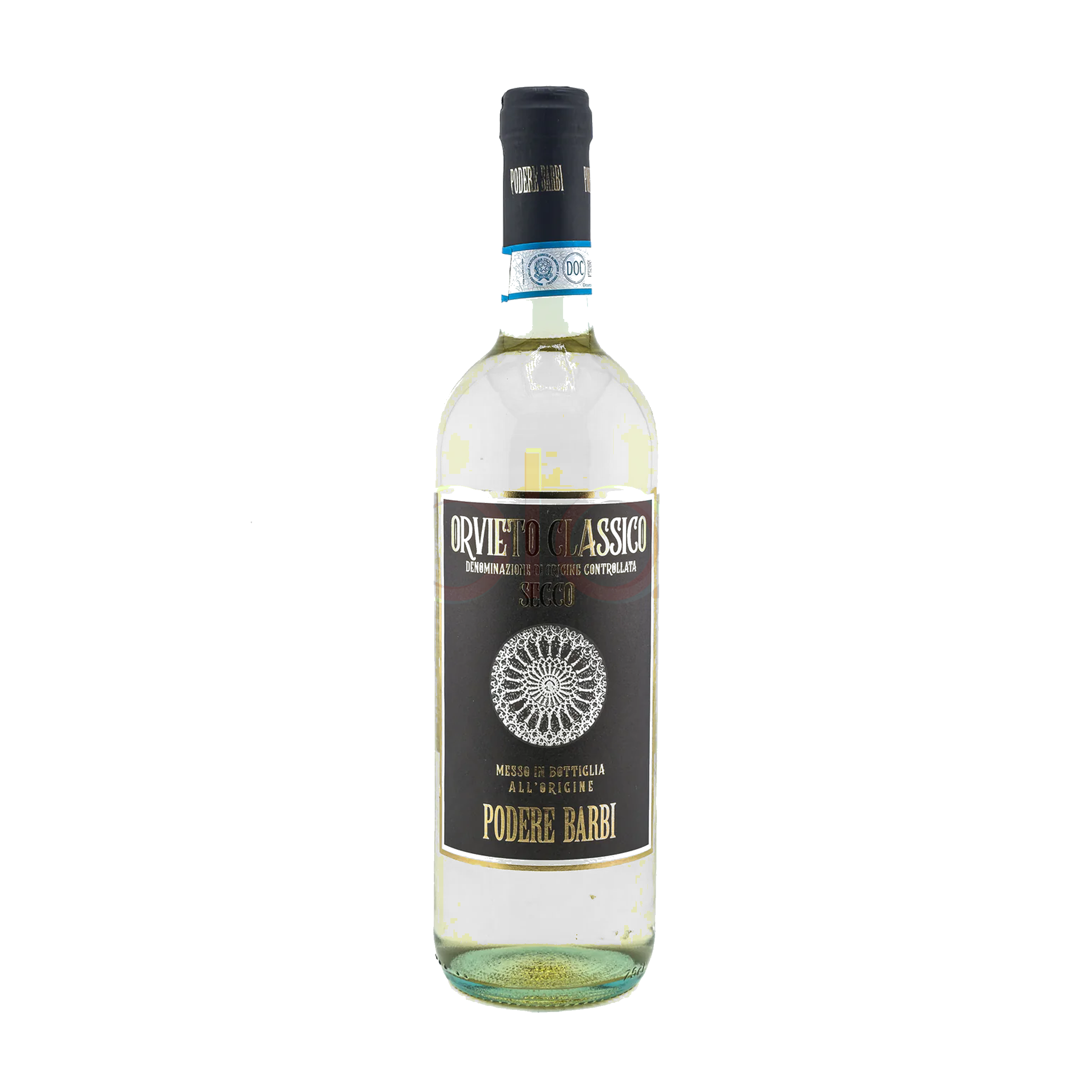 FeaturedBarbiOrvieto Classico Secco750 ML$9.99Add to cart
 FeaturedBALDOVINOTrebbiano Dabruzzo750 ML$7.99Add to cart
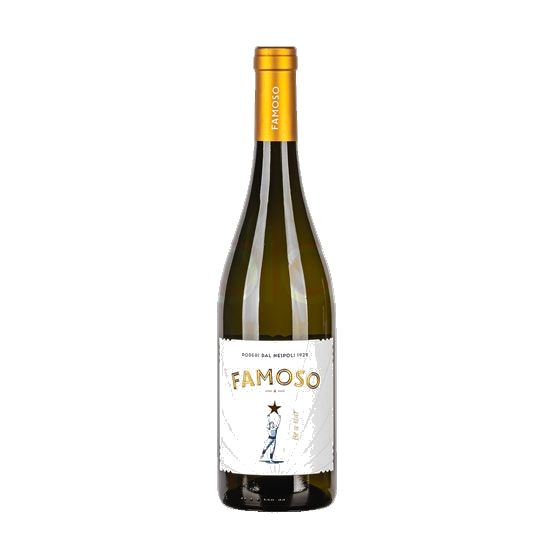 FeaturedNESPOLIFamoso750 ML$12.99Add to cart
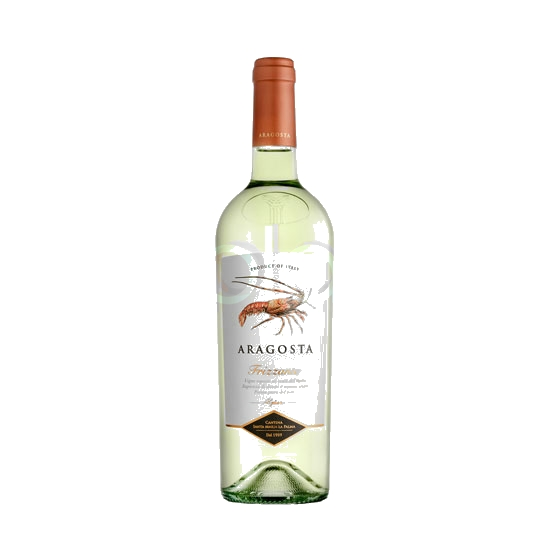 FeaturedLA PALMAAragosta750 ML$10.99Add to cart
 SANDRO DE BRUNOSoave Doc750 ML$13.99Add to cart
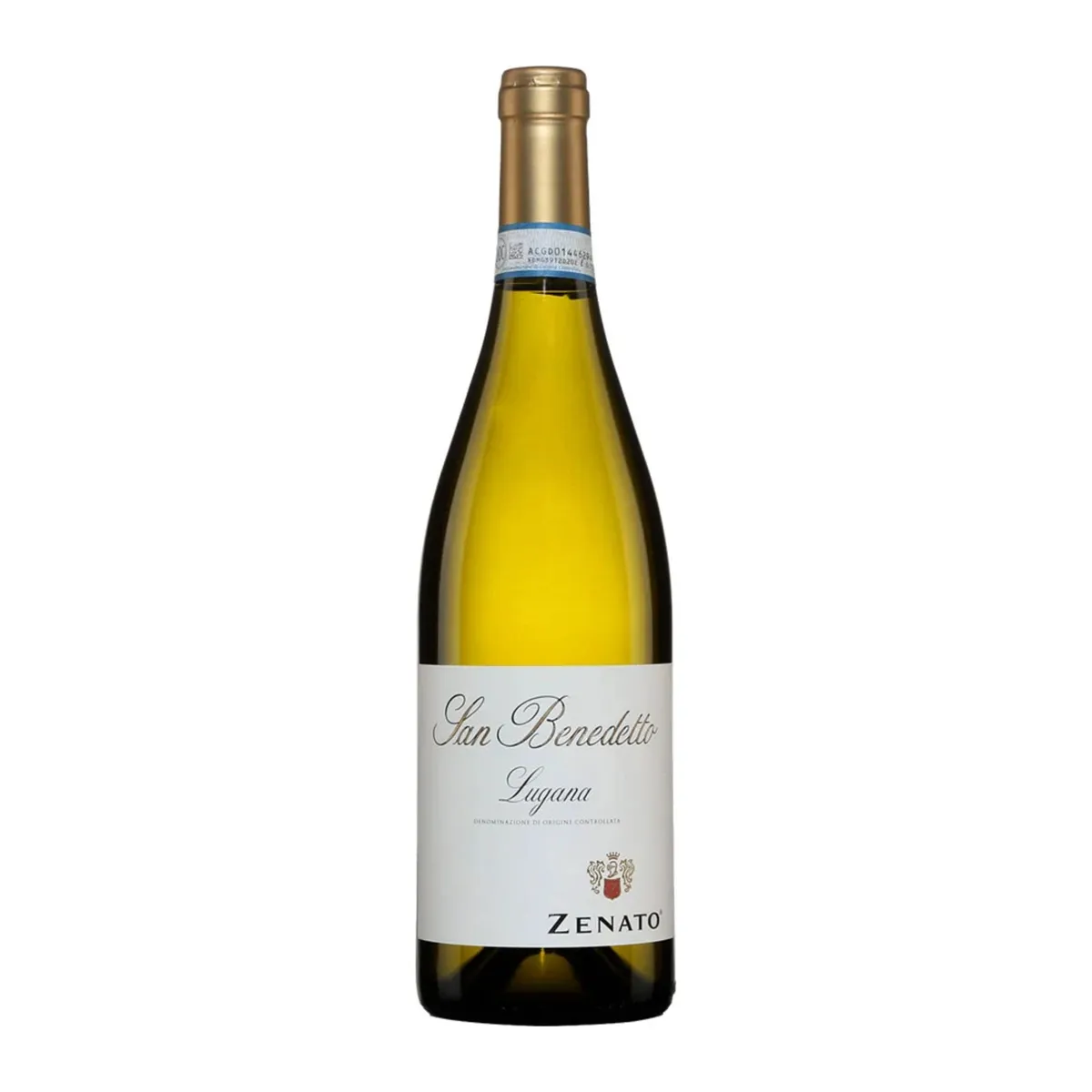 ZenatoLugana750 ML$15.98Add to cart
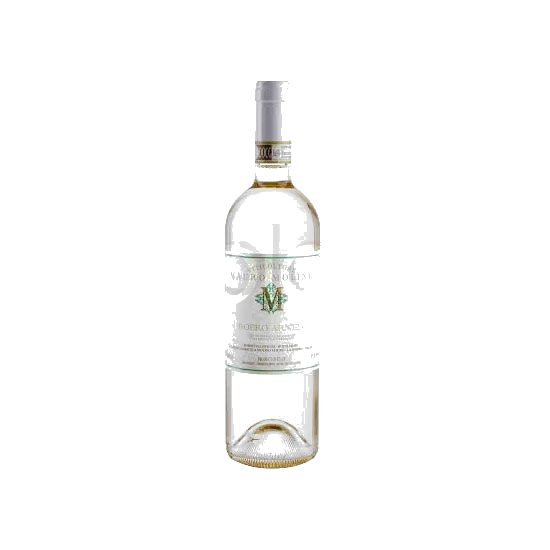 Mauro MolinoRoero Arneis750 ML$15.99Add to cart
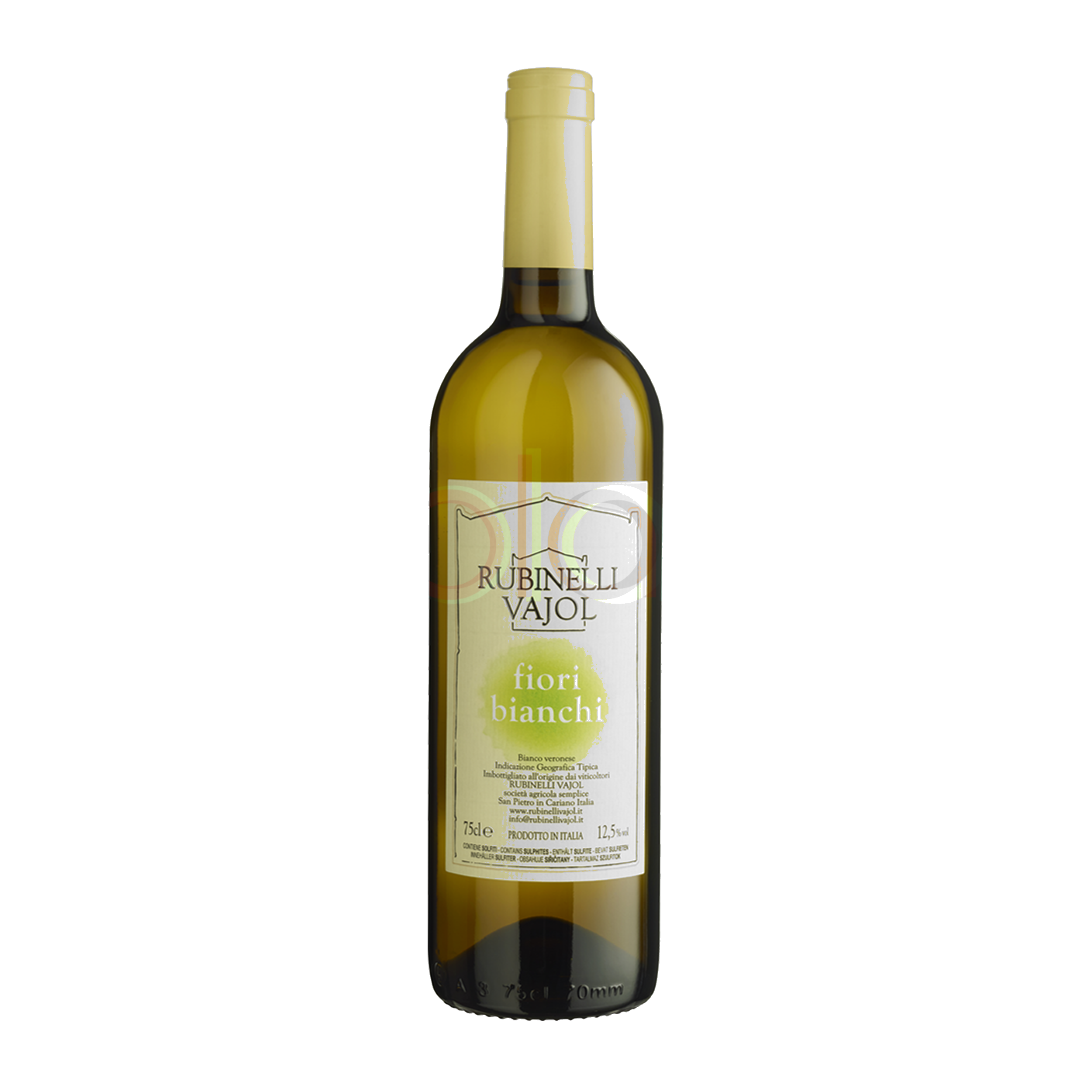 RUBINELLI VAJOLFiori Bianchi750 ML$15.99Add to cart
Pecorino wine is a dry Italian white made from the Pecorino grape, and CBC Liquors in Westford, Massachusetts carries a bottle of ZACCAGNINI Pecorino if you want to try one. It is crisp, citrusy and herbal, and it has nothing to do with the sheep's milk cheese of the same name. This guide covers how it tastes, where it comes from, what to eat with it and which other whites sit close to it on the wine shelves.
What is pecorino wine?
Pecorino wine is the dry white wine made from the Pecorino grape. The grape grows mainly in central Italy, in Marche and Abruzzo, where vineyards run from the Apennine foothills down toward the Adriatic Sea. Most bottles are made as a still, dry white and meant to be drunk young.
The grape nearly disappeared in the twentieth century. Growers in Marche brought it back in the 1980s and 1990s, and it has since become one of the more interesting Italian whites to look for.
If you already enjoy Italian whites, Pecorino fits right in. It is fresh, it is food-friendly, and the name is easy to spot on a label even if you do not read Italian.
At CBC Liquors on Littleton Rd in Westford, the Italian white page is a good place to start looking.
Is pecorino wine dry or sweet?
Pecorino wine is dry. The grape holds its acidity well, even when it ripens fully, so the wine tastes bright rather than sugary.
Pecorino can reach a fairly generous alcohol level because the grapes ripen with plenty of sugar. In the winery, that sugar is fermented out, and the acidity keeps the wine balanced. You get a lively, clean white, not a dessert wine.
If you are after something sweet, this is not the grape to reach for. If you want crisp and refreshing, it is.
Is pecorino wine the same as pecorino cheese?
No, pecorino wine and pecorino cheese are two different products. The cheese is a hard or semi-hard cheese made from sheep's milk. The wine is made from a white grape. Pecorino is also not Parmesan, which is a different Italian cheese made from cow's milk.
The word pecorino comes from the Italian pecora, meaning sheep. The most common explanation for the grape's name is that sheep grazed among the vines, or that shepherds carried the grape with them as they moved their flocks between summer and winter pastures.
That shared name is why a search for pecorino wine sometimes turns up cheese recipes. The two do go well together at the table, though. A glass of Pecorino wine beside young sheep's milk cheese is a natural match, because the wine's acidity cuts through the richness.
What does pecorino wine taste like?
Pecorino wine tastes dry, fresh and lively. Expect citrus such as lemon and grapefruit, white flowers, green apple or pear, and often a savory herbal edge that people describe as sage or rosemary.
Many bottles also finish with a mineral, slightly salty note. That makes the wine feel precise and clean, and it is one reason it works so well with food instead of being something you only sip on its own.
Most Pecorino is fermented in stainless steel to keep the fruit and freshness front and center. Some makers leave the wine on its lees for a while, which gives a rounder texture. The body stays light to medium, and the acidity stays high.
Where does pecorino wine come from, and how is it made?
Pecorino wine comes mainly from two regions on Italy's Adriatic side. In Marche, the best-known appellation is Offida Pecorino, a DOCG zone near the town of Ascoli Piceno. In Abruzzo, Pecorino is often bottled as a straightforward varietal wine under broader designations such as Terre di Chieti or Colline Pescaresi.
Both regions sit between the Apennine mountains and the sea. Cool nights, sea breezes and sunny days let the grape keep its freshness while still ripening properly.
The winemaking is usually simple. The grapes are pressed, the juice is fermented dry, often in stainless steel, and the wine is bottled young to keep the citrus and floral notes bright.
How do you choose a bottle of pecorino wine in Westford?
Look for the word Pecorino on the label, next to a region name such as Marche or Abruzzo. Because it is a grape name and not a place name, it is simple to find. A bottle labeled as Pecorino is built mostly or wholly from that grape.
At CBC Liquors, ZACCAGNINI Pecorino is the bottle to look at first. The shop is rated above 4.5 out of 5 from more than 300 Google reviews, and it has more than 4,900 products on the shelves, so there is plenty to browse beside it.
If you want a different bottle, ask at the counter on Littleton Rd. You can also read which Westford liquor store helps with wine choices before you come in.
CBC Liquors also serves Chelmsford, Acton, Littleton, Carlisle and the towns around Westford, so a Pecorino for dinner does not have to mean a long trip.
What food goes with pecorino wine?
Seafood is the classic match for pecorino wine. Grilled fish, fried calamari, shrimp and pasta with clams all suit its citrus and mineral character. The acidity works like a squeeze of lemon, brightening the dish without overpowering it.
Vegetable dishes work well too: asparagus, zucchini, artichokes and risotto with spring vegetables. The herbal note in the wine echoes fresh herbs in the food, so a salad dressed with olive oil and basil, or a roast chicken with rosemary, is a good fit.
For cheese, think young and mild. Fresh mozzarella, ricotta and young sheep's milk cheese all work. Very aged, salty cheeses can overwhelm a delicate white, so save those for a red.
What wine is similar to pecorino wine?
Whites that are dry, crisp and citrus-driven sit closest to pecorino wine. Sauvignon Blanc shares the high acidity and fresh green notes, and the Sauvignon Blanc page shows more to look at. Pinot Grigio is another dry Italian white that suits the same seafood and light dishes.
In general, Vermentino and Verdicchio are the Italian whites most often compared with Pecorino. Both are dry and fresh, with a savory, mineral side.
From the Italian whites CBC Liquors carries, a few more are worth a look. Barbi Grechetto is made from another Italian white grape. Barbi ORVIETO CLASSICO SECCO is a dry white from the Orvieto area. BALDOVINO Trebbiano Dabruzzo comes from Abruzzo, the same region where Pecorino grows. NESPOLI Famoso and LA PALMA Aragosta are two more Italian whites to try.
How should you serve and store pecorino wine?
Serve pecorino wine chilled but not ice cold. Around 45 to 50 degrees Fahrenheit shows the fruit and herbs best. If the bottle comes straight from a very cold refrigerator, give the glass a few minutes on the table before you pour.
Use a standard white wine glass. Pecorino does not need decanting, and there is no need to age it. Most bottles are made to be enjoyed within a couple of years of the vintage, while the citrus and floral notes are at their liveliest.
Store unopened bottles in a cool, dark place away from heat and sunlight. Once opened, put the cork or screw cap back in and keep the bottle in the refrigerator. It is at its best for the next day or two.
Common questions
Is pecorino wine dry or sweet?
Pecorino wine is dry. It has high acidity and tastes crisp and citrusy, not sweet.
Is pecorino wine the same as pecorino cheese?
No. Pecorino cheese is made from sheep's milk. Pecorino wine is a white wine made from the Pecorino grape. They share a name and pair well, but they are different products.
Is Pecorino just Parmesan?
No. Parmesan is a cow's milk cheese. Pecorino is either a sheep's milk cheese or, in the wine aisle, a white grape and the dry wine made from it.
What does pecorino wine taste like?
Pecorino wine tastes of lemon, grapefruit, green apple or pear and white flowers, often with a herbal edge and a mineral finish.
What foods pair well with pecorino wine?
Seafood, light pasta, vegetable dishes and herb-driven dishes pair well, along with young, mild cheeses such as fresh mozzarella, ricotta or young sheep's milk cheese.
How should pecorino wine be served?
Serve it chilled, around 45 to 50 degrees Fahrenheit, in a standard white wine glass. It does not need decanting or ageing.