Merlot we stock
In stock now, at today’s prices. Order online for pickup, delivery or shipping.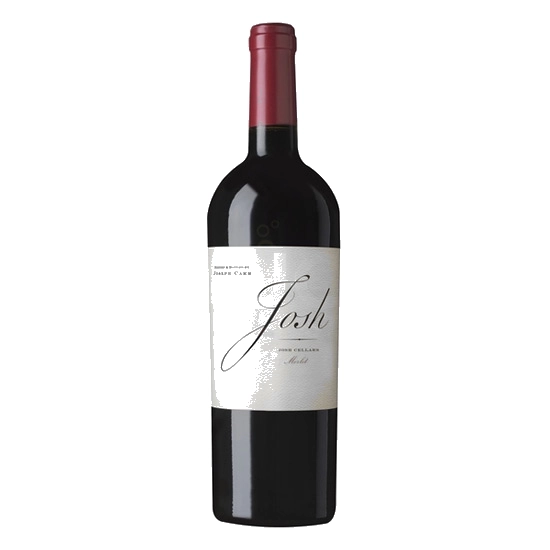 FeaturedJosh CellarsMerlot750 ML$12.98Add to cart
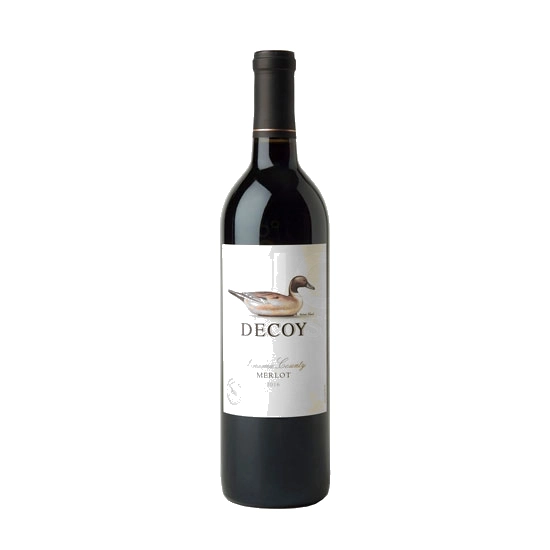 FeaturedDecoySonoma Merlot750 ML$15.98Add to cart
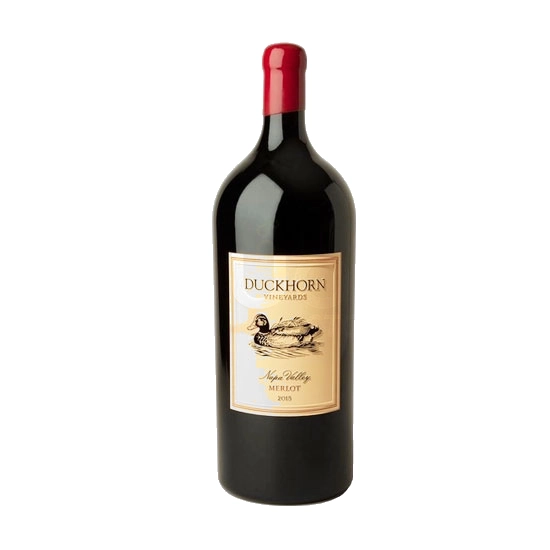 FeaturedDuckhornNapa Merlot750 ML$44.98Add to cart
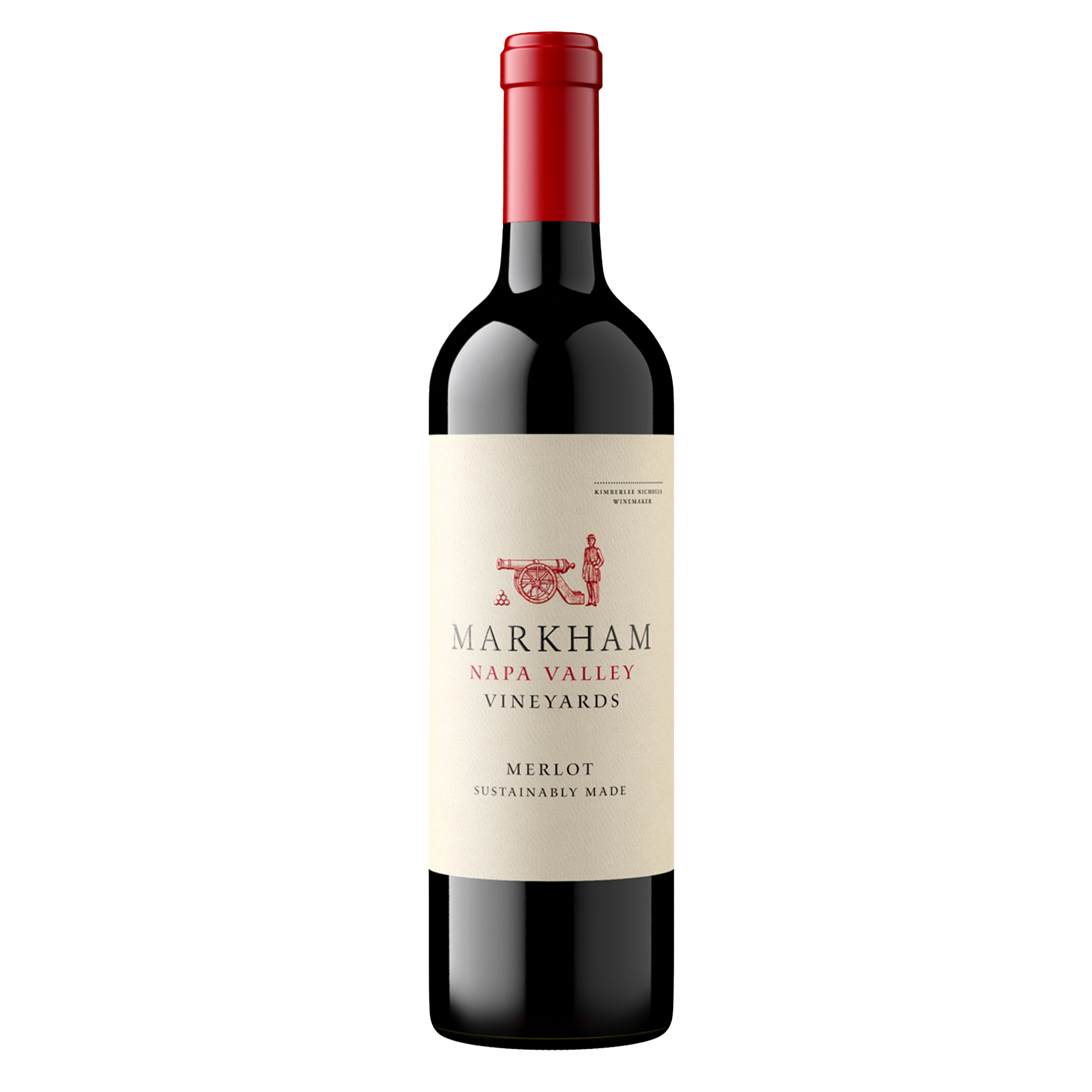 FeaturedMarkhamNapa Merlot750 ML$20.99Add to cart
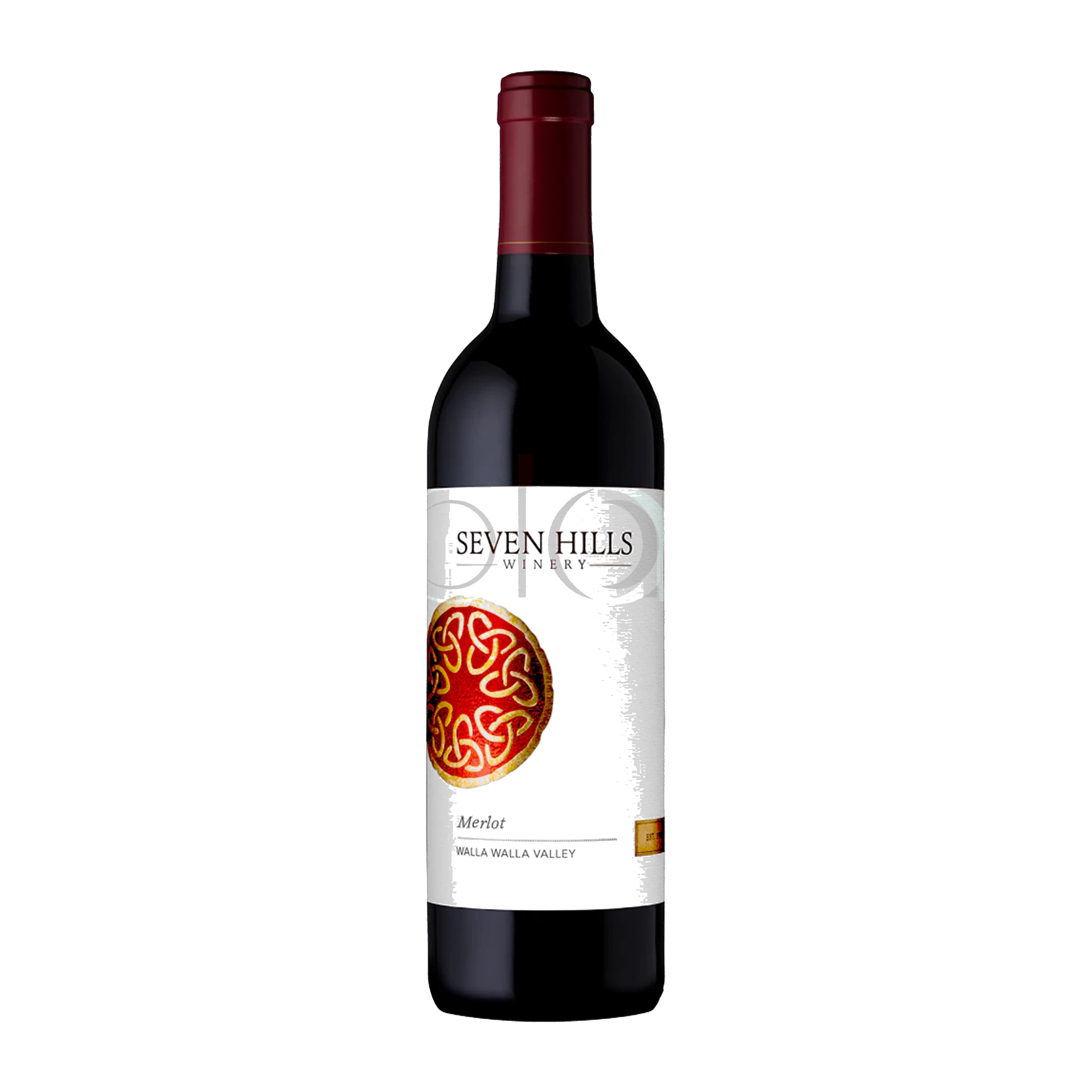 FeaturedSEVEN HILLSWalla Walla Merlot750 ML$15.99Add to cart
 FeaturedJ LOHRLos Osos Merlot750 ML$11.98Add to cart
 HAHNMerlot750 ML$10.99Add to cart
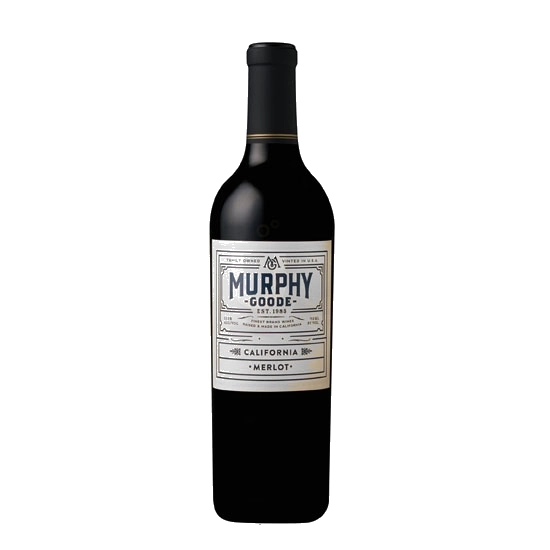 MURPHY GOODEMerlot750 ML$11.99Add to cart
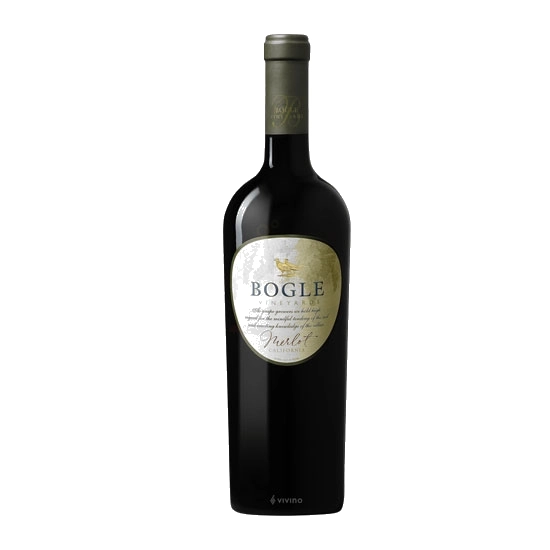 BogleMerlot750 ML$8.98Add to cart
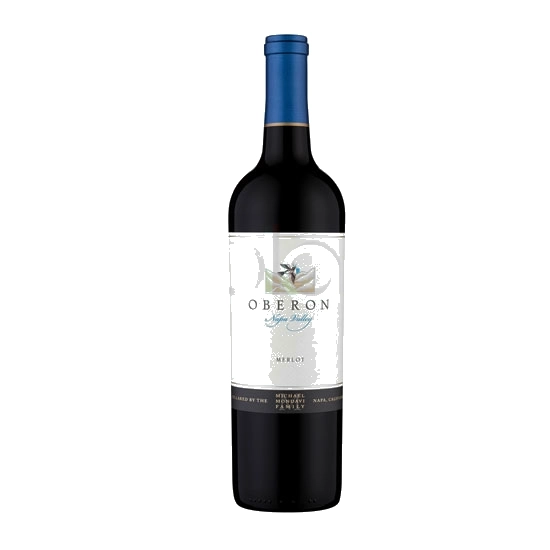 OberonMerlot750 ML$19.99Add to cart
Merlot is a dry red wine with soft tannins and flavors of plum, black cherry and a little chocolate. CBC Liquors in Westford, Massachusetts, carries merlot bottles from lighter, fruit-forward styles to fuller Napa ones, and this guide helps you choose one.
What does merlot taste like?
Merlot tastes smooth and fruity. The usual flavors are plum, black cherry and red berry, often with notes of cocoa, vanilla or a little herb, depending on where the grapes grew and how the wine was aged.
The skins are thinner than cabernet's, so the wine has softer tannins. Tannin is the drying grip you feel on your gums after a sip. With merlot that grip is gentle, which gives the wine its velvety feel.
That softness is why merlot is the red people reach for when they want something approachable. You do not need a steak in front of you for it to make sense, and it does not demand a long breathe in the glass before it opens up.
Style varies from bottle to bottle. Cooler climates tend to give more red fruit and a lighter feel. Warmer places push toward darker, riper fruit and a fuller body. Oak adds the vanilla, toast and spice notes some bottles are known for.
Is merlot dry or sweet?
Merlot is dry. Nearly every bottle has little or no residual sugar, which means the sugar from the grapes was fermented out.
The confusion comes from the fruit. Ripe plum and cherry flavors can read as sweetness on the tongue, even though the wine itself is not sweet. If a merlot tastes jammy to you, that is fruit, not sugar.
As for color, merlot is a red wine. In the glass it runs from deep ruby to darker garnet, and a fuller, riper style usually looks darker than a light one.
How is merlot different from cabernet sauvignon?
Merlot is usually rounder, fruitier and lower in tannin than cabernet sauvignon. The two grapes are close relatives and are often blended together, especially in the Bordeaux tradition.
Cabernet sauvignon is typically firmer, more structured and darker in flavor, with notes of blackcurrant and cedar. If you find cabernet a little too tight or grippy, merlot is the natural step over.
If you like cabernet's weight and want a gentler version, a bigger Napa-style merlot sits between the two. Neither is better. They suit different meals and different moods, and plenty of people keep a bottle of each at home.
How do merlot styles differ by region?
Where a merlot is grown shapes how it tastes. The same grape gives a different wine in a warm valley than it does in a cool, damp climate.
Californian merlot tends toward ripe dark fruit, a fuller body and a touch of vanilla from oak. Napa bottlings are usually the richest and most structured of these. Bordeaux and other French merlot is often more restrained, with firmer structure and earthier notes, and it is frequently blended with cabernet.
Italian merlot and merlot-based blends sit somewhere in between, often with a savory edge that suits tomato sauces and cured meats. Washington State is another source, with a style that leans toward dark fruit and a firm, polished finish.
These are general patterns, not rules. Two bottles from the same region can taste quite different depending on the maker and the vintage.
Which merlot should you pick for your taste?
Pick by the style you want in the glass. For something soft and approachable, look at Josh Cellars Merlot or Decoy Sonoma Merlot, both of which point to California-style fruit that pours smoothly with dinner.
For something fuller and oakier, look at Duckhorn Napa Merlot and Markham NAPA MERLOT. Napa merlots tend to be fuller and more structured than lighter styles, which makes them a fit for a Sunday roast or a dinner where the wine is meant to be the centerpiece.
If you want to compare a different part of the map, SEVEN HILLS Walla Walla Merlot and J LOHR Los Osos Merlot are two more merlots to look at. That gives you five to six bottles across a spread of styles.
If you like to try blends, a red blend often gives the same plush fruit with more variety in the glass. Pinot noir is lighter and more delicate, with red cherry and earthy notes, and suits you if merlot already feels full. Malbec brings dark fruit and a velvety feel, and syrah adds pepper and darker, savory flavors. All of these sit under red wine. The wine styles collection is another way to compare.
What food goes well with merlot, and can you cook with it?
Merlot's soft tannins make it flexible at the table. It works with roast chicken, pork, burgers, meatloaf and pasta with a tomato or meat sauce. It also handles mushrooms, roasted vegetables and hard cheeses without overwhelming them.
Lean beef cuts such as sirloin or a good burger suit lighter merlots. For a ribeye or a braise, step up to a fuller bottle, since richer food needs a wine with more weight behind it.
Be careful with very spicy food and with delicate fish. Heat in a dish can make an oaky red taste harsher, and light seafood gets lost next to a wine this fruity.
Merlot is also good for cooking. Its soft tannins and ripe fruit suit pan sauces, braised beef, ragu and stews, where it adds depth without bitterness. Cook with a bottle you would be glad to drink, and pour a glass to go with the meal.
How should you serve and store merlot?
Serve merlot a little cooler than room temperature, somewhere around the high 50s to low 60s degrees Fahrenheit. A bottle that has been sitting in a warm kitchen tastes flabby and boozy, so twenty minutes in the fridge before opening helps a lot.
A large-bowled red wine glass gives the aromas room. You do not need to decant most merlots, though a fuller Napa bottle can benefit from a short rest in the glass.
Store unopened bottles on their side somewhere cool, dark and steady. Once opened, put the cork or stopper back in and keep the bottle in a cool spot. It is best finished within a few days, since the fruit fades as the wine takes on air.
How do you get merlot from CBC Liquors in Westford?
You can walk in at 142 Littleton Rd, Westford. Store hours are Sunday 10:00 AM to 8:00 PM, Monday to Thursday 8:00 AM to 9:00 PM, and Friday and Saturday 8:00 AM to 10:00 PM.
Pickup has its own hours: Sunday 10:00 AM to 8:00 PM, Monday to Thursday 10:00 AM to 9:00 PM, and Friday and Saturday 10:00 AM to 10:00 PM.
CBC Liquors also offers delivery and shipping. Delivery hours are Sunday 10:00 AM to 7:30 PM, Monday to Thursday 10:00 AM to 8:30 PM, and Friday and Saturday 10:00 AM to 9:30 PM. The delivery areas page lists the towns, including Chelmsford, Acton and Lowell.
If you are unsure which bottle suits your dinner, the shop's page on wine choices in Westford is another place to look. CBC Liquors is rated above 4.5 out of 5 from more than 300 Google reviews.
Common questions
Is merlot red dry or sweet?
Merlot is dry. Most bottles have little or no residual sugar. The ripe plum and cherry flavors can taste sweet, but that is fruit, not sugar.
How do you pronounce merlot?
Merlot is pronounced mer-LOH, with a silent t at the end. The stress falls on the second syllable.
What are merlot grapes?
Merlot grapes are thin-skinned, dark-blue red wine grapes, closely related to cabernet sauvignon. Their thin skins give merlot its softer tannins and rounder feel.
What color is merlot?
Merlot is a red wine, ranging from deep ruby to darker garnet in the glass. Fuller, riper styles usually look darker.
How do you drink merlot?
Merlot is best served slightly cooler than room temperature, in the high 50s to low 60s degrees Fahrenheit, in a large red wine glass. Sip it with a meal such as roast chicken, pork, burgers or pasta.
Is merlot good for cooking?
Yes, merlot is good for cooking. Its soft tannins and ripe fruit suit pan sauces, braised beef and stews without adding bitterness.