Riesling we stock
In stock now, at today’s prices. Order online for pickup, delivery or shipping.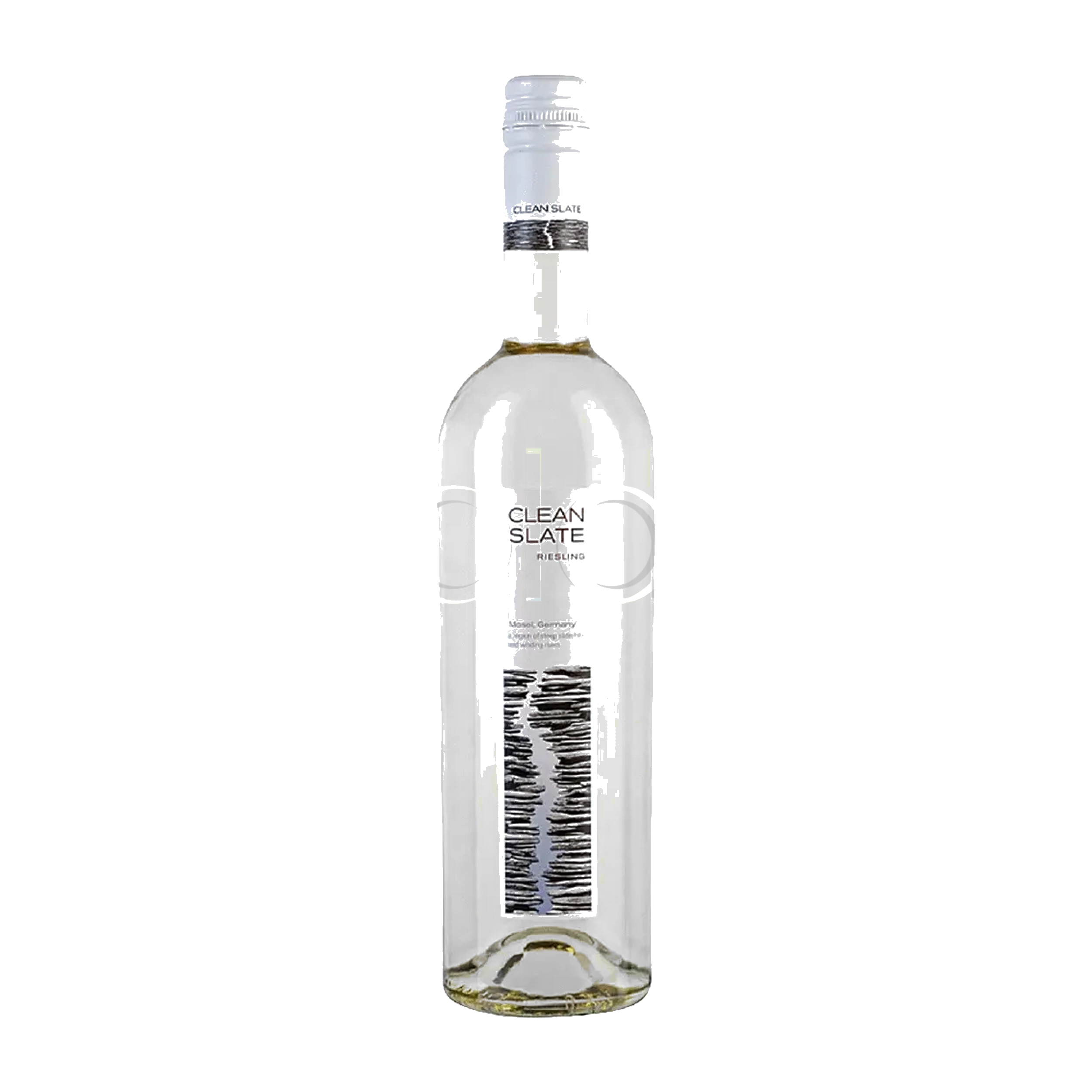 FeaturedCLEAN SLATEMosel Riesling750 ML$9.99Add to cart
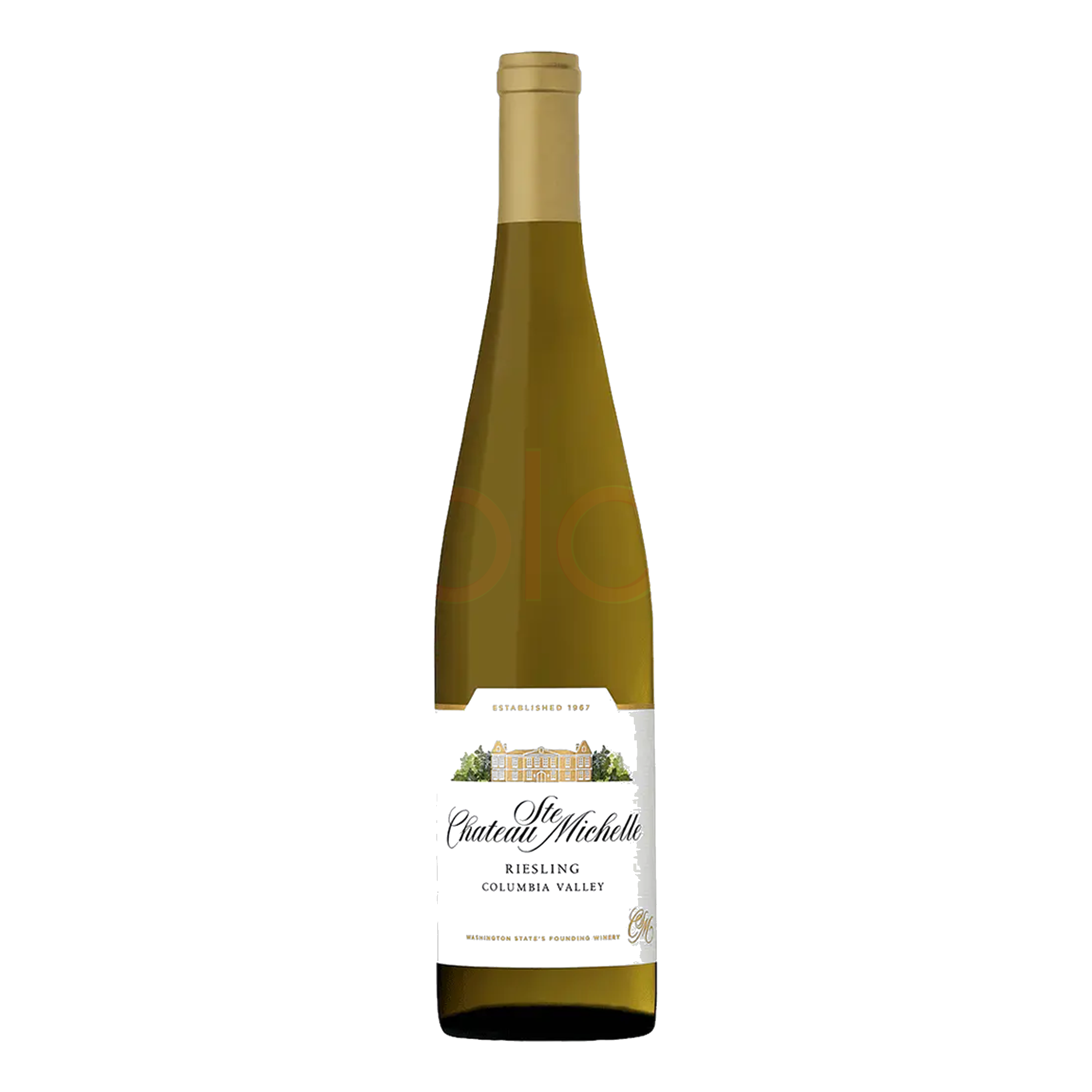 FeaturedCHATEAU STE MICHELLERiesling750 ML$8.98Add to cart
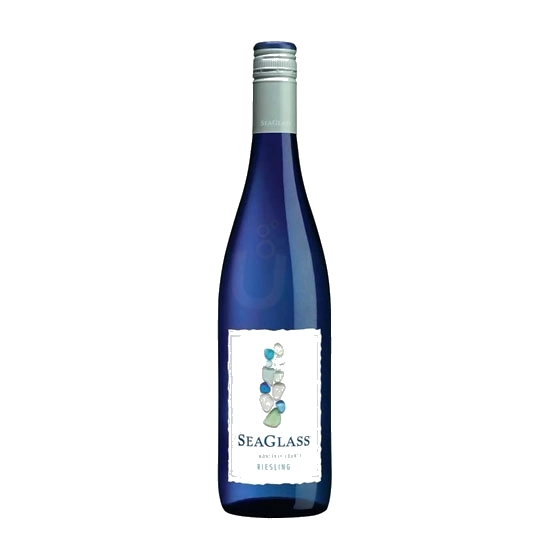 FeaturedSeaGlassRiesling750 ML$9.49Add to cart
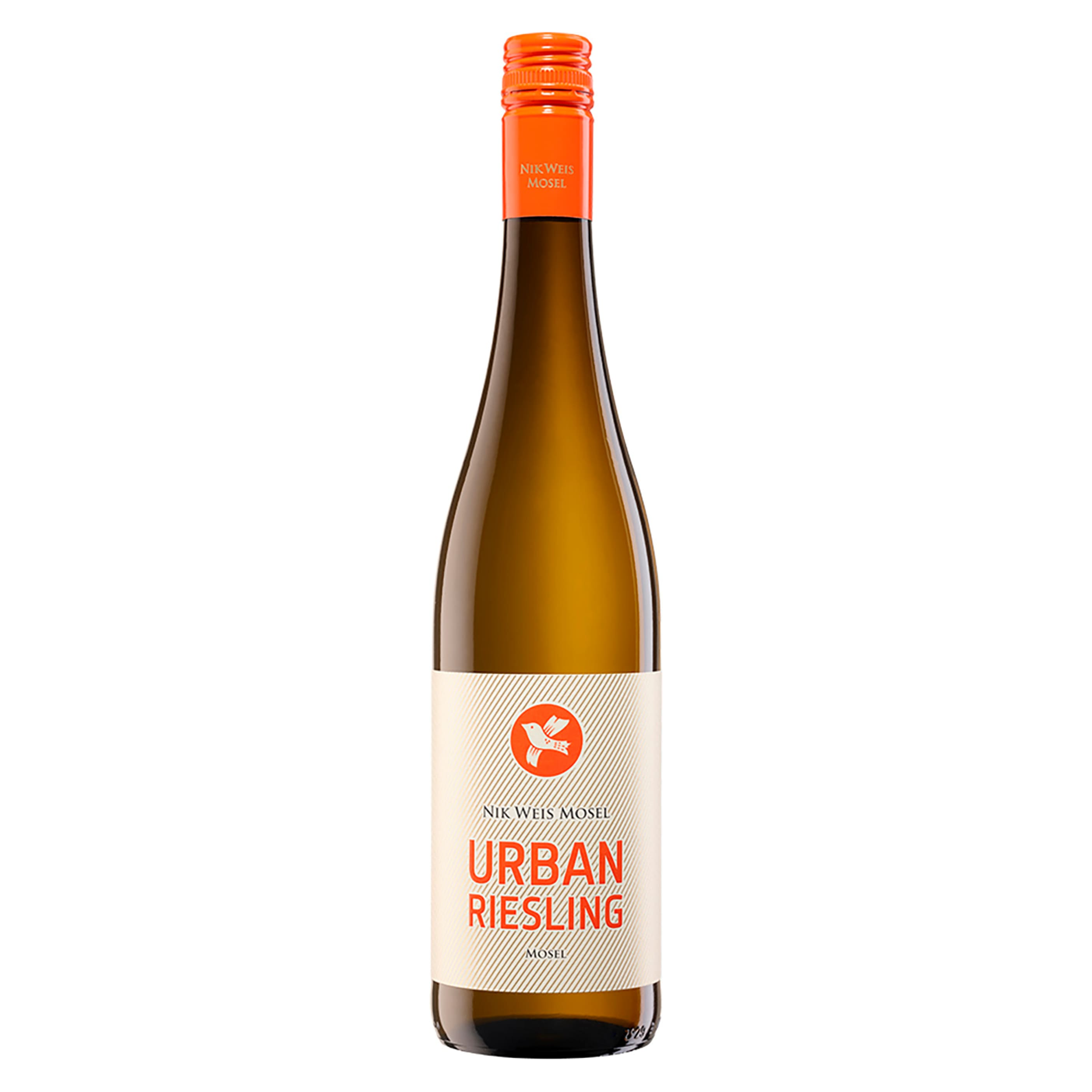 FeaturedNik WeisUrban Riesling750 ML$10.99Add to cart
 FeaturedGLASRiesling750 ML$13.99Add to cart
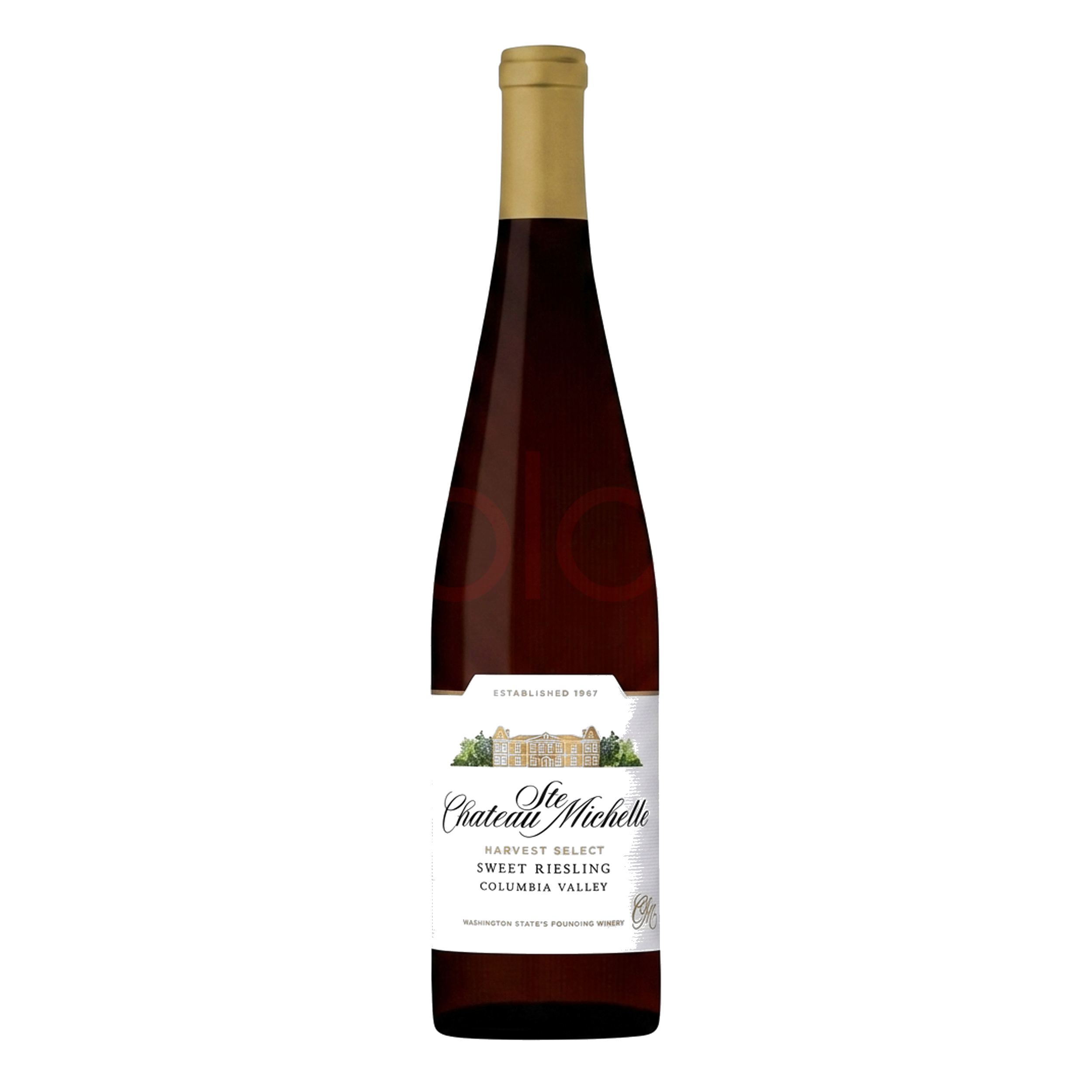 FeaturedCHATEAU STE MICHELLEHarvest Select Sweet Riesling750 ML$8.98Add to cart
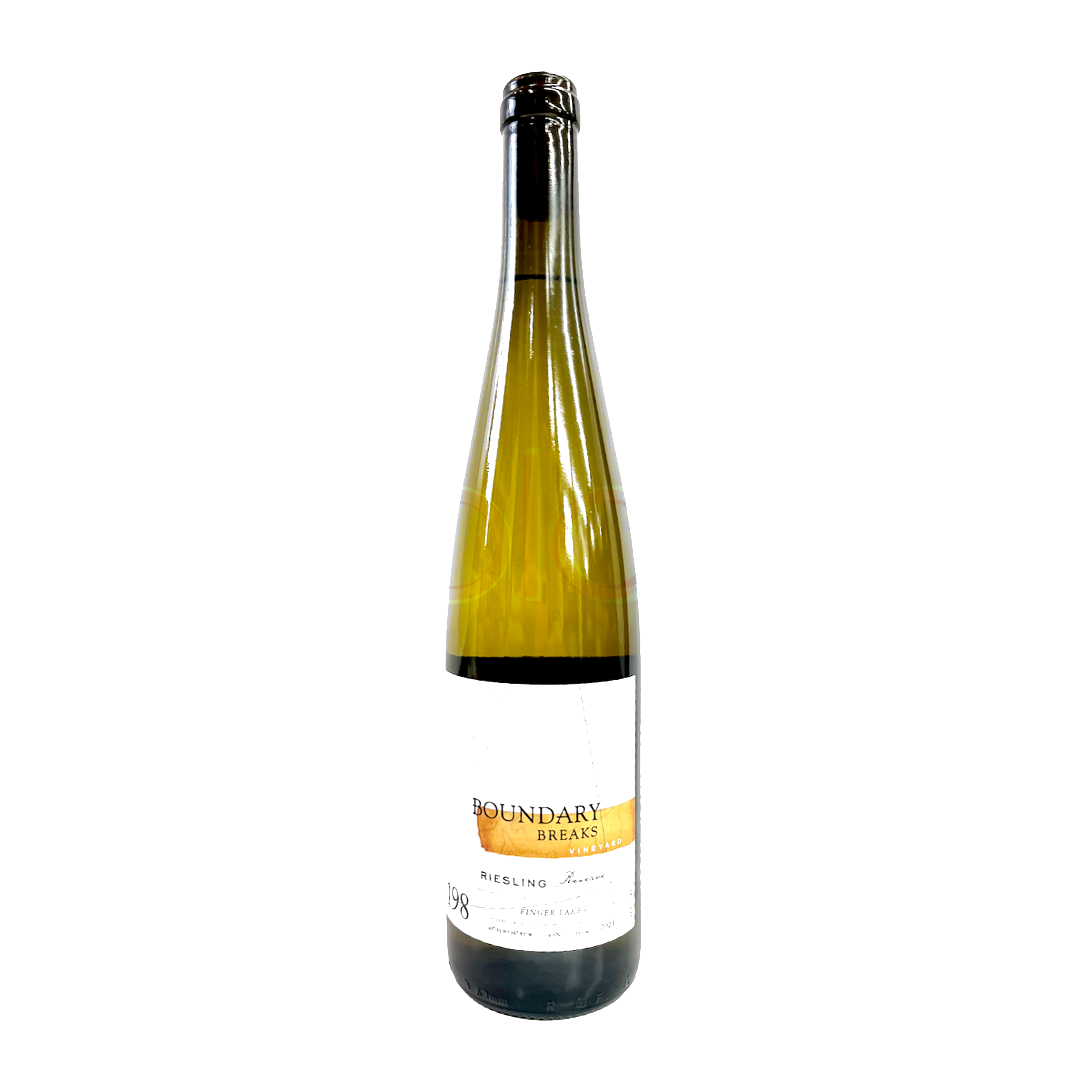 BOUNDARY BREAKSRiesling750 ML$13.99Add to cart
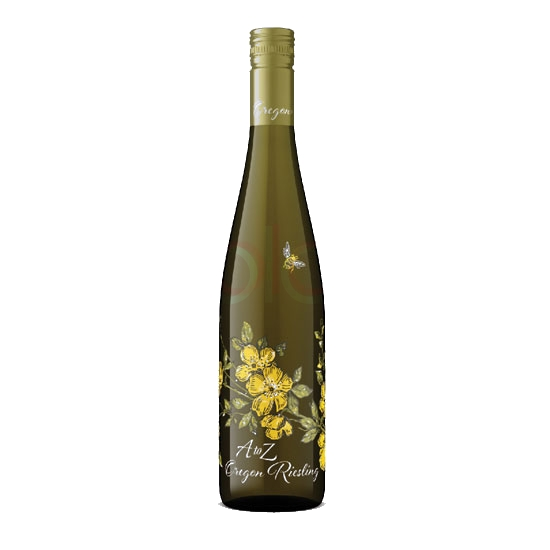 A TO ZRiesling750 ML$13.99Add to cart
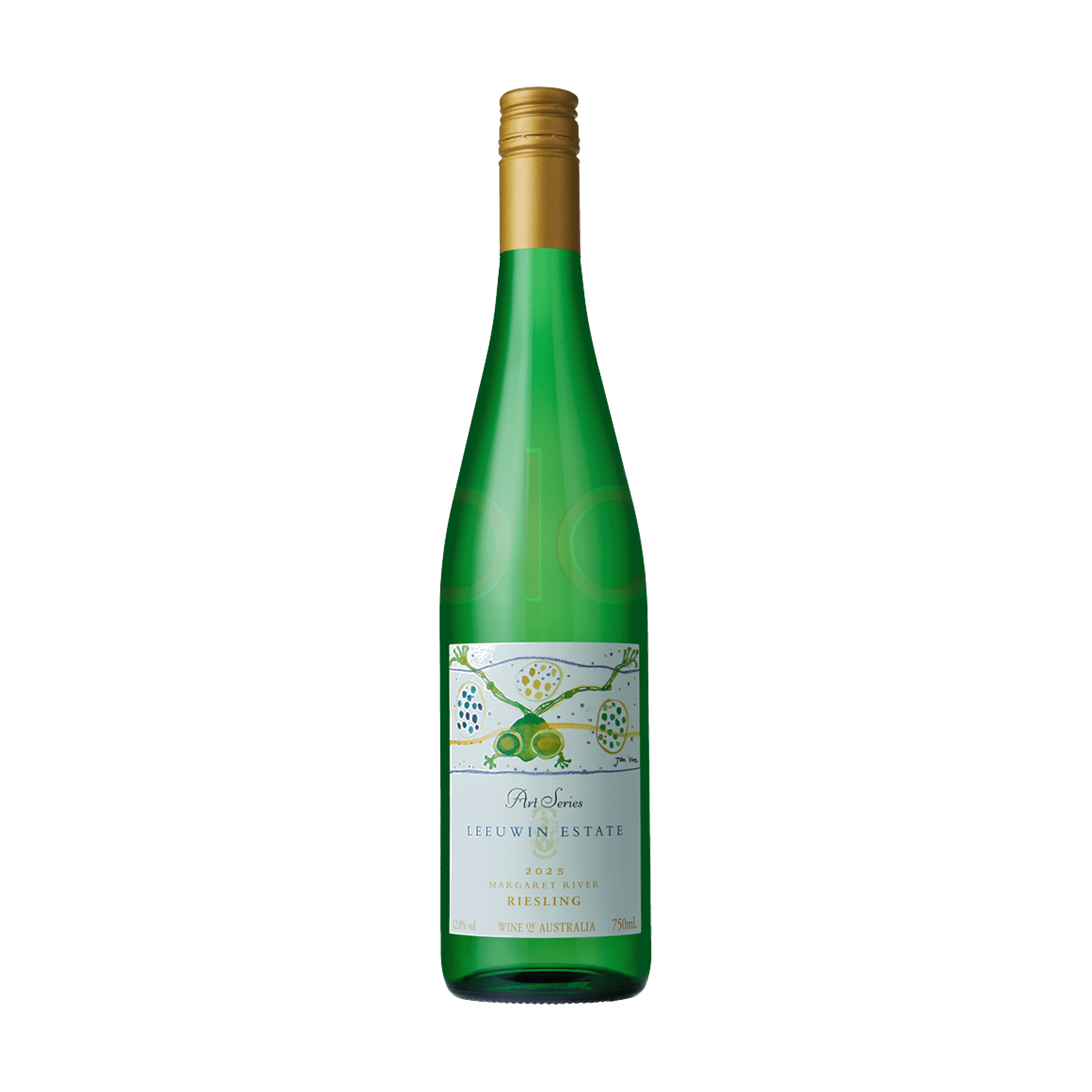 Leeuwin EstateART Series Riesling750 ML$15.99Add to cart
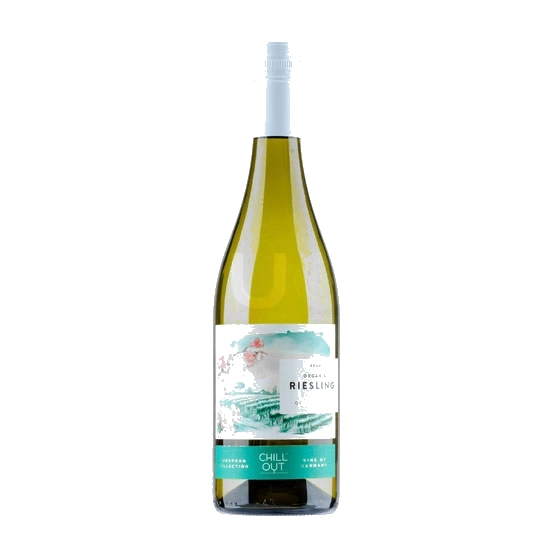 LIP OUTRiesling750 ML$13.99Add to cart
Dry Riesling is a white wine made so the grape's sugar is fermented out, leaving it crisp, citrusy and mineral instead of sweet. At CBC Liquors in Westford you can browse our Riesling category, and this guide shows you how to tell the dry bottles from the sweet ones before you buy.
What does dry Riesling taste like?
Dry Riesling tastes of lime, green apple and white peach, with a touch of wet stone underneath. The acidity is high and bright, so the wine feels clean on the finish.
That acidity is the star. Riesling holds a lot of natural acidity and a lot of natural sugar at the same time. When the sugar is fermented out, the acidity is what you notice most, and it is why a good dry bottle tastes fresh rather than heavy.
It is lighter in body than a Chardonnay and rarely carries any oak. What you taste is fruit, acidity and minerality, and nothing much gets in the way.
Is white Riesling dry?
Not always. Riesling is a white wine, but white tells you the colour, not the sweetness. Some Rieslings finish bone dry, some sit in the middle and some are properly sweet.
The grape itself is not sweet. The style is a decision made in the cellar. If the yeast ferments nearly all the sugar into alcohol, the wine finishes dry. If fermentation is stopped early, or a little unfermented juice is blended in, some sugar stays behind and the wine tastes sweeter.
That is why Riesling has two reputations. Casual drinkers think of it as sweet. Wine lovers count it among the great dry whites. Both are true, which is exactly why reading the bottle matters.
How can you tell a Riesling is dry from the label?
Look for the word dry on the front, or the German word trocken, which means dry. A German Riesling marked trocken has been made to finish with little residual sugar. On German bottles you may also see GG, short for Grosses Gewächs, which is a designation used for dry wines from top vineyard sites. Halbtrocken and feinherb point to off-dry. Spätlese, Auslese and late harvest usually point to something sweeter, though German labelling has exceptions.
Next, check the alcohol by volume. As a rule of thumb, a Riesling at around 12 percent or more has had more of its sugar fermented, so it tends to be drier. A bottle at 8 to 10 percent usually has sugar left in it.
Then turn the bottle over. Many producers print a small dry-to-sweet scale on the back label, often following the International Riesling Foundation profile: dry, medium dry, medium sweet or sweet.
Bottles from the United States and Australia often say dry right on the label, while French bottles from Alsace usually leave it to you to read the other clues. If you are unsure, bring the bottle to the counter and ask. That is a normal question at a wine shop.
What does off-dry mean in a Riesling?
Off-dry means a Riesling with a little noticeable sweetness, just enough to soften the edges. It is not a dessert wine. The same lime and apple fruit and the same bright acidity are there, with a gentle touch of sugar on the palate.
The acidity keeps an off-dry Riesling from feeling syrupy. The sweetness and the sourness balance each other, which is the trick that makes the grape so versatile.
On the label, halbtrocken, feinherb and medium dry all point this way. If a dry Riesling turns out sharper than you like, off-dry is the natural step to try next.
Which regions make the best dry Riesling?
Germany, Alsace and Austria are the regions most often named for dry Riesling, and Australia and the United States also make dry examples. Which one is best is a matter of taste, so here is what each tends to offer.
Germany is the home of the grape. The Mosel is known for light, high-acid Riesling, and its wines range from dry to gently sweet, so check the label. Look for trocken or GG when you want dry.
Alsace, in France, is known for Riesling that is often fuller and drier, with a dry, stony character. The bottle may not say dry, so the alcohol level and the back label help.
Austria makes dry Riesling with plenty of precision and a firm mineral edge. In Australia, regions such as the Clare and Eden Valleys are known for dry, lime-scented styles. In the United States, Washington State and the Finger Lakes in New York both make Riesling in a range of sweetness levels.
Why is dry Riesling sometimes hard to find?
Dry Riesling is often hard to spot because the word dry does not always appear on the front label. A dry bottle can sit on the shelf right next to a sweet one that looks almost identical.
The grape's sweet reputation does not help. Many shoppers pass over the whole section, and many bottles are labelled by region or vineyard rather than by sweetness level.
So the search is less about finding a special shelf and more about reading carefully. Use the cues above: trocken or dry on the label, alcohol around 12 percent or higher, and a taste scale on the back. When the label is silent on all three, ask at the counter.
Which Rieslings can you look at at CBC Liquors in Westford?
Start at the white wine shelves at 142 Littleton Rd, Westford, or browse the Riesling page online. For this search, the Rieslings we carry include CLEAN SLATE Mosel Riesling, CHATEAU STE MICHELLE RIESLING, SeaGlass Riesling, Nik Weis URBAN RIESLING and GLAS Riesling.
These bottles are not all the same style, which is the point of checking before you buy. The Clean Slate comes from the Mosel, where wines run from dry to gently sweet. The CHATEAU STE MICHELLE HARVEST SELECT SWEET RIESLING says sweet in its name, so leave that one aside if dry is what you want.
For the others, read the back label for the dry cues and the alcohol level, or ask us at the store.
We are rated above 4.5 out of 5 from more than 300 Google reviews. You can walk in Sunday 10:00 AM to 8:00 PM, Monday to Thursday 8:00 AM to 9:00 PM, and Friday and Saturday 8:00 AM to 10:00 PM. We also offer pickup, delivery and shipping.
What food goes well with dry Riesling?
Dry Riesling goes well with seafood, poultry, pork and spicy dishes. High acidity and moderate alcohol make it one of the more flexible white wines at the table. It cuts through richness the way a squeeze of lemon does.
Shellfish and white fish are a natural fit: shrimp, scallops, clams, baked haddock or a simple fillet with lemon. Sushi works for the same reason. Roast chicken and pork, especially with a mustard or apple element, also suit it, because the apple notes in the wine echo the dish.
It handles some heat too. Thai, Vietnamese and Indian dishes, or a mildly spicy stir-fry, sit comfortably next to it, since the wine is cooling and has no heavy tannin or oak to clash with the spice. Soft, tangy cheeses such as fresh goat cheese are another good match.
How should you serve and store dry Riesling?
Chill the bottle to roughly 45 to 50 degrees Fahrenheit and pour it into a standard white wine glass. That temperature shows the fruit and the acidity at their best. Straight from a cold refrigerator, a Riesling can taste tight and muted, so give it ten or fifteen minutes on the counter before you pour.
If the bottle is warm when you bring it home, an hour or two in the refrigerator is enough. An ice bucket with water and ice takes about twenty minutes.
A slightly narrower bowl keeps the citrus and floral aromas concentrated, which is much of the appeal of Riesling. Once opened, the bottle will keep in the refrigerator with a stopper for a few days, though the fresh fruit character is best in the first day or two.
Common questions
Is white Riesling dry?
Not always. Riesling can be dry, off-dry or sweet depending on how much sugar the winemaker leaves in the wine. Check the label for dry or trocken, the alcohol level and any taste scale on the back.
What does off-dry mean in a Riesling?
Off-dry means a Riesling with a little noticeable sweetness that softens its acidity. It is not a dessert wine. Halbtrocken, feinherb and medium dry on a label point to this style.
Which wines are dry white?
Sauvignon Blanc, Pinot Grigio and Chardonnay are common dry whites, and Riesling can be dry too when the label says so. Chardonnay is rounder and fuller, while Sauvignon Blanc and Pinot Grigio are lighter.
How do you pronounce Riesling?
Riesling is pronounced REEZ-ling in English. In German it sounds closer to REESS-ling.
What food goes well with dry Riesling?
Shellfish, white fish, roast chicken, pork, mildly spicy Thai or Indian dishes and soft goat cheese all pair well with dry Riesling.
How cold should dry Riesling be served?
Roughly 45 to 50 degrees Fahrenheit. Let it sit out for ten or fifteen minutes after taking it from a cold refrigerator.