Cabernet Sauvignon we stock
In stock now, at today’s prices. Order online for pickup, delivery or shipping.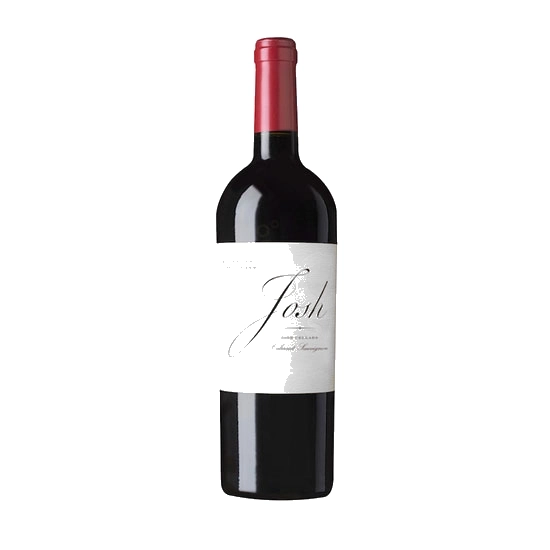 FeaturedJOSH CELLARCabernet Sauvignon1.5 Liter$22.99Add to cart
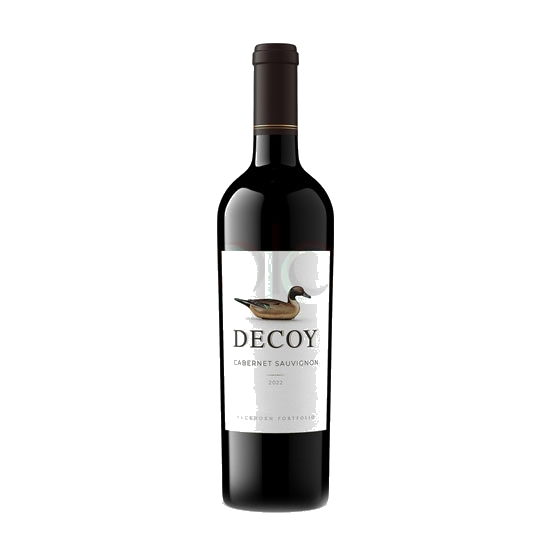 FeaturedDecoyCabernet Sauvignon750 ML$15.98Add to cart
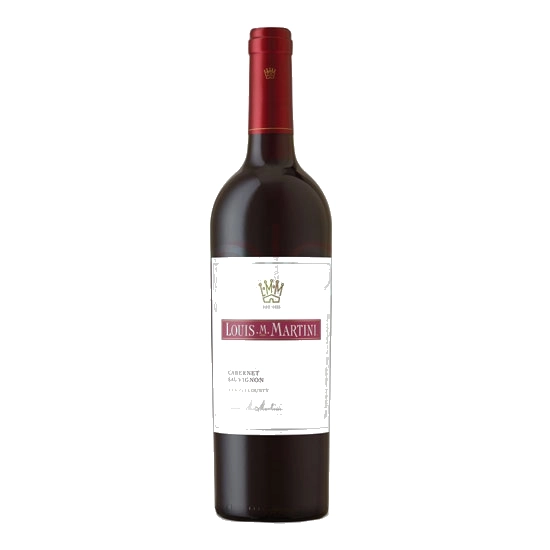 FeaturedLOUIS MARTINIPrati Cabernet Sauvignon750 ML$14.98Add to cart
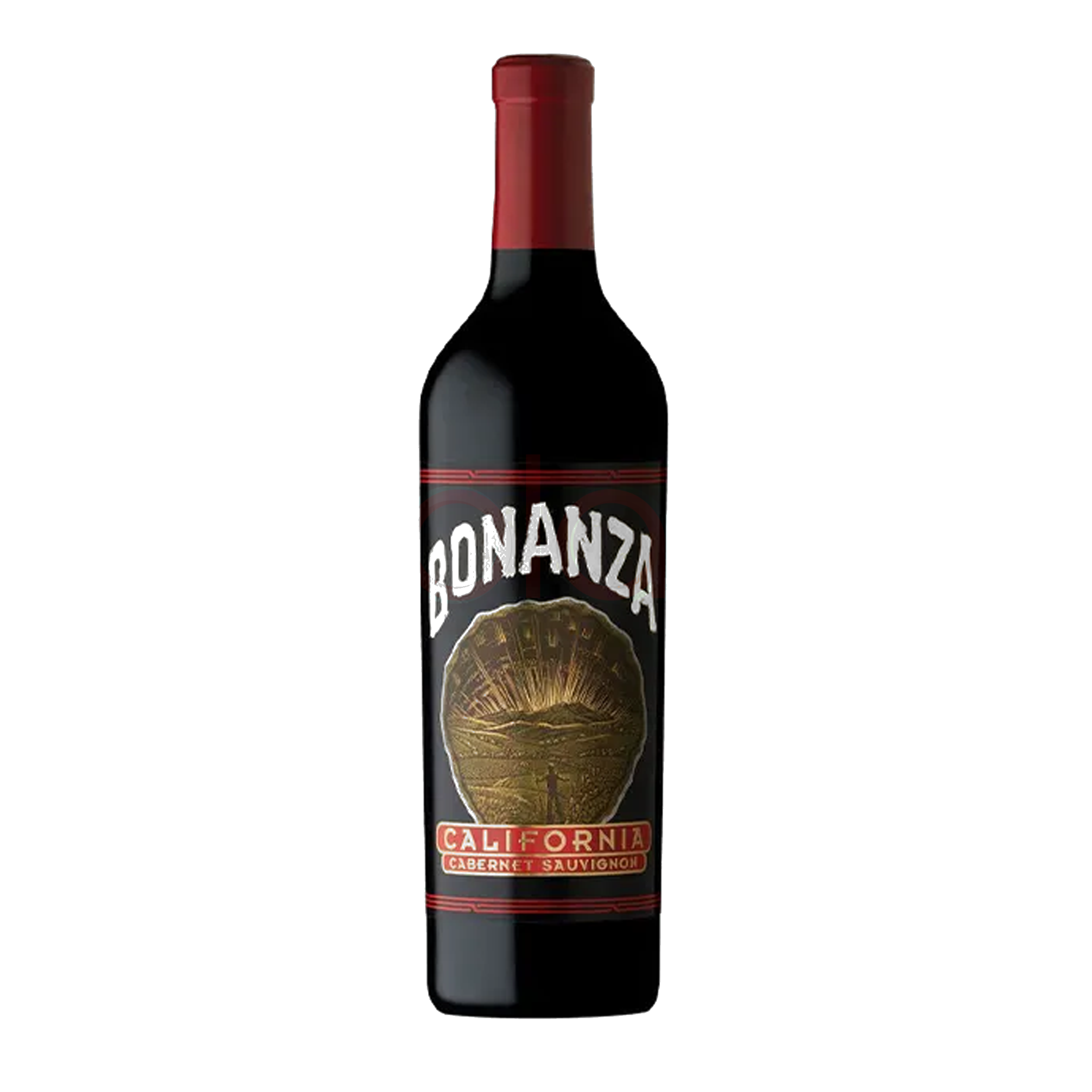 FeaturedBONANZACalifornia Cabernet Sauvignon1.5 Liter$32.99Add to cart
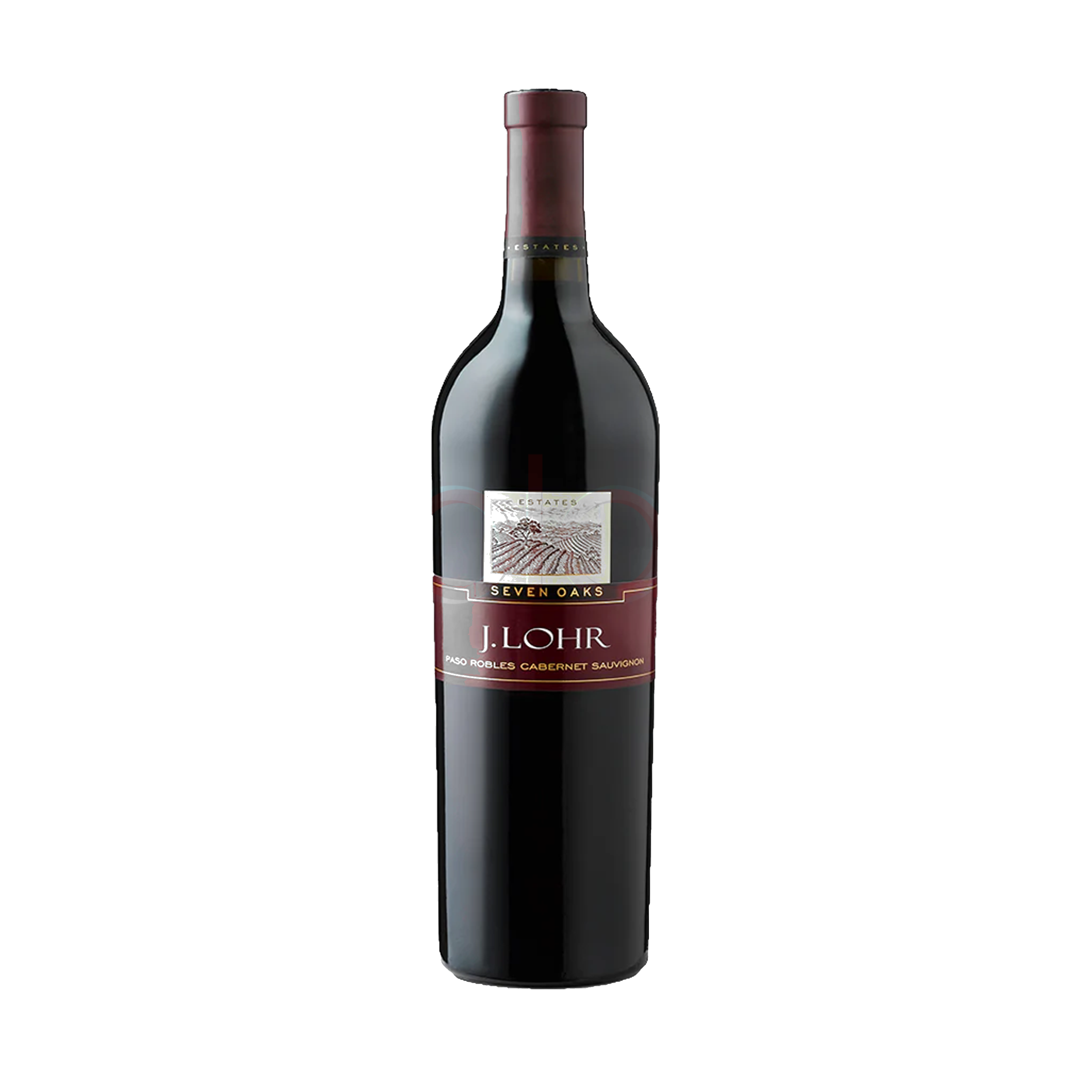 FeaturedJ LOHRSeven Oaks Cabernet Sauvignon750 ML$13.98Add to cart
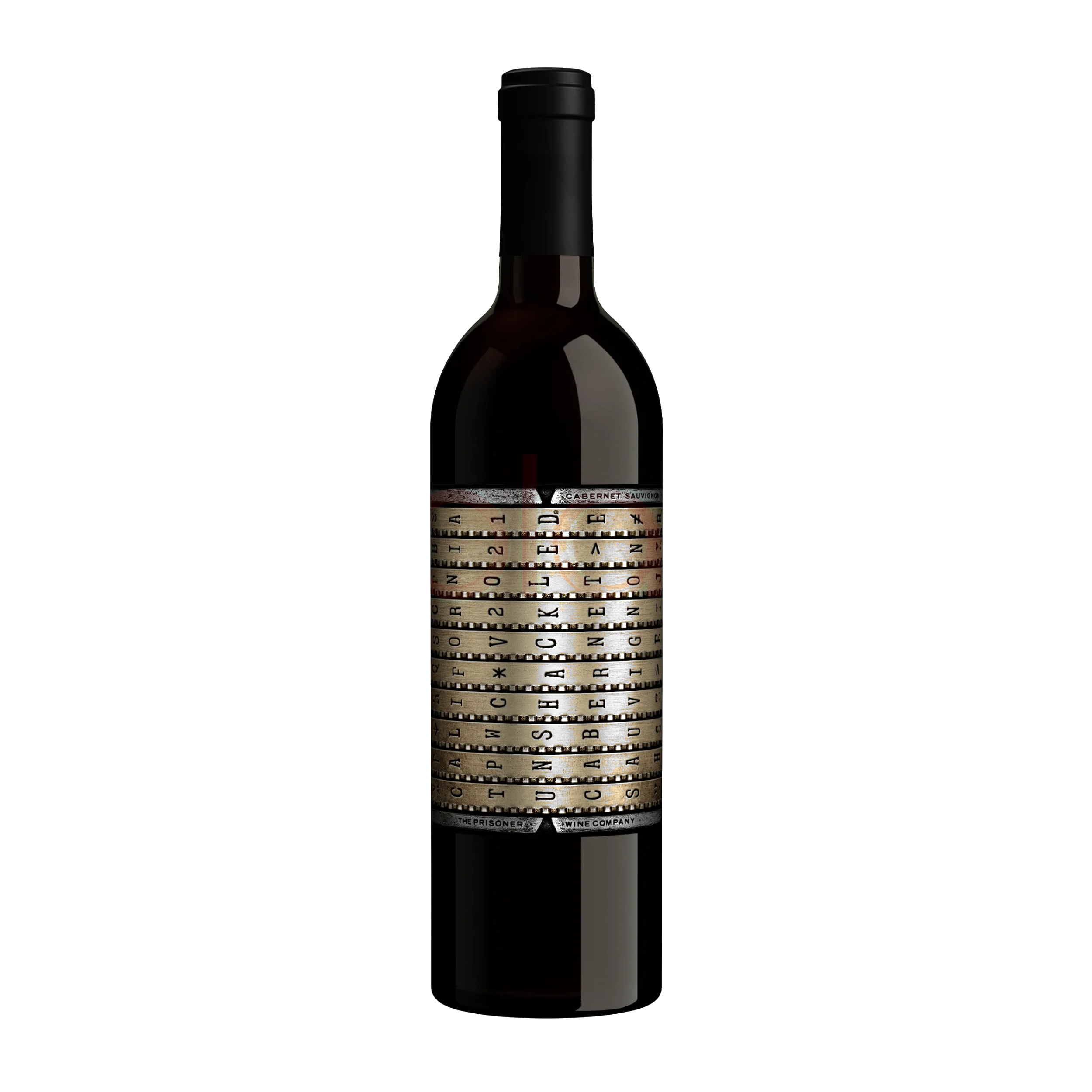 FeaturedUNSHACKLEDCabernet Sauvignon750 ML$15.98Add to cart
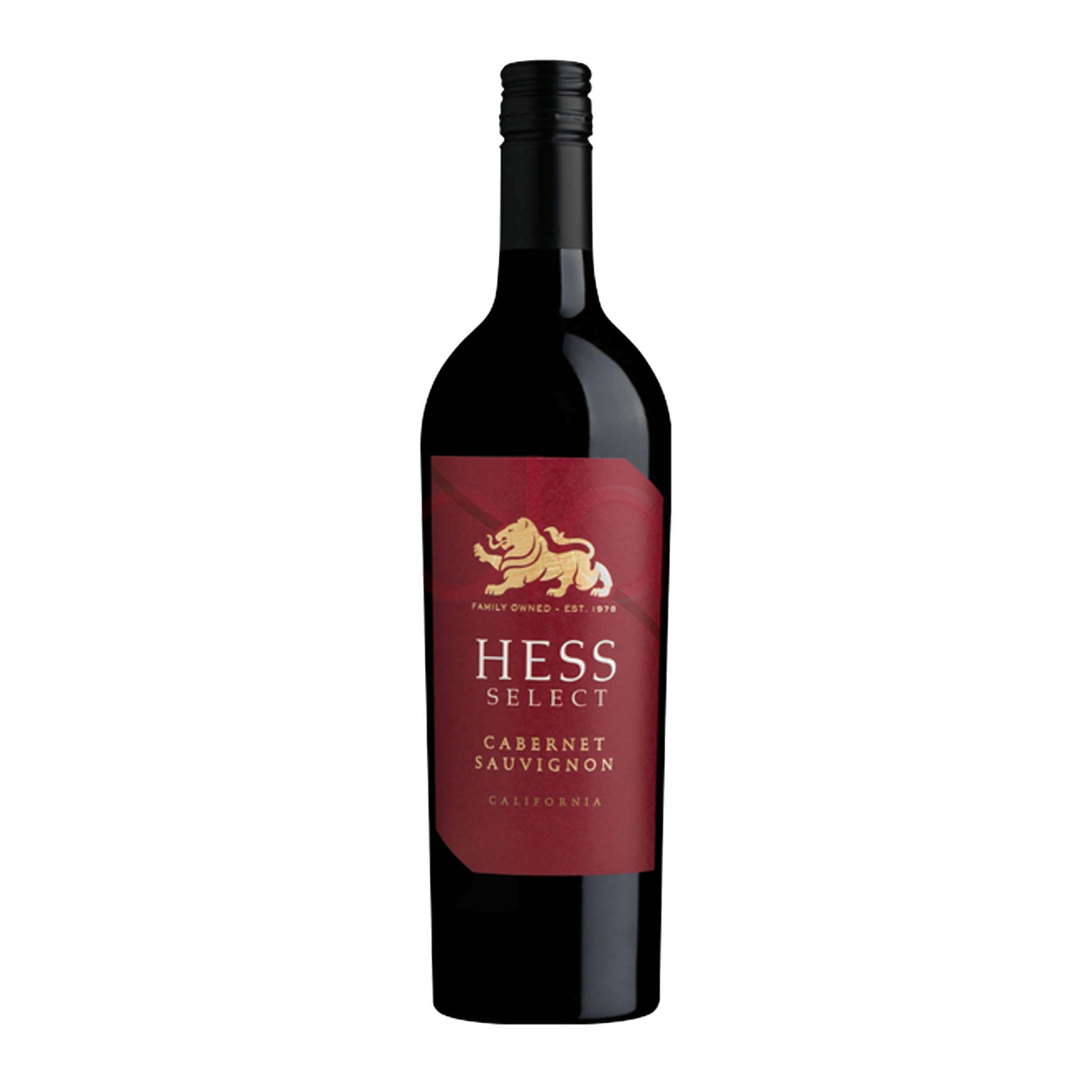 HESSSelect Cabernet Sauvignon750 ML$13.98Add to cart
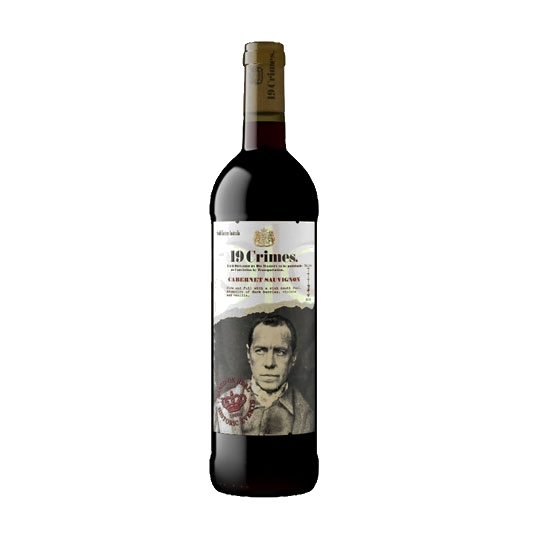 19 CrimesCabernet Sauvignon750 ML$7.99Add to cart
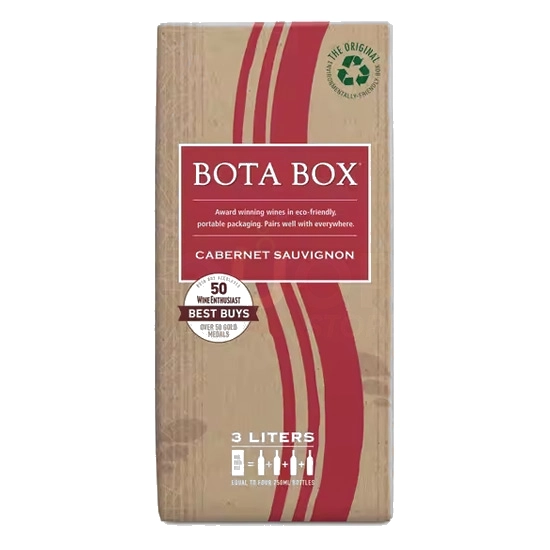 Bota BoxCabernet Sauvignon3 Liter$15.99Add to cart
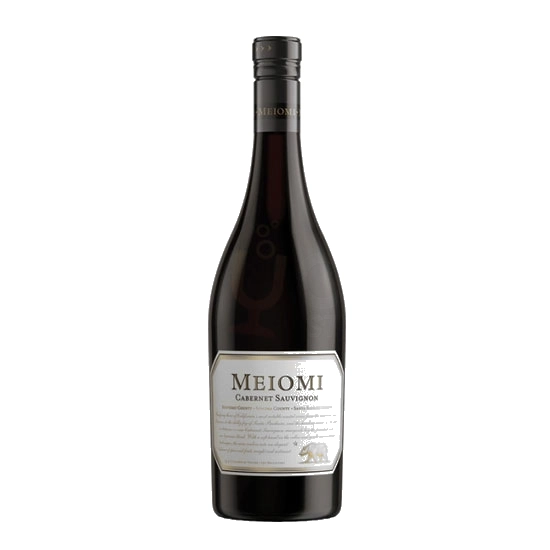 MEIOMICabernet Sauvignon750 ML$14.98Add to cart
Cabernet sauvignon is a dry, full-bodied red wine with black fruit flavors and firm tannins, and CBC Liquors on Littleton Rd in Westford carries a shelf of it. If you want a bottle now, browse our cabernet sauvignon shelf, then read on for how to choose, serve and pair it.
What does cabernet sauvignon taste like?
Cabernet sauvignon tastes of dark fruit, firm tannin and a dry finish. Typical flavors are blackcurrant, blackberry, black cherry and plum.
Many bottles also carry oak notes such as vanilla, cedar, tobacco or baking spice. Those come from aging in oak barrels, not from the grape itself.
The feature that sets cabernet apart from lighter reds is tannin. Tannins come from grape skins and seeds, and they make your mouth feel slightly dry after a sip. In cabernet they are firm and easy to notice.
If cabernet feels too grippy, look for bottles described as soft, smooth or fruit-forward, or ask at the counter. If you like a wine with weight and grip, go for a more structured bottle.
Is cabernet sauvignon sweet or dry?
Cabernet sauvignon is dry. Almost every bottle is made with the sugar fermented out, so you taste fruit and structure rather than sweetness.
Some bottles can seem sweeter than others. Ripe, warm-climate fruit and vanilla from oak can give an impression of sweetness, even though the wine is still dry.
If a bottle seems harsh rather than sweet, the cause is usually tannin, not acidity or sugar. A softer, fruit-forward bottle is the place to start.
How do cabernet sauvignons from different regions differ?
Cabernet sauvignon changes with where it grows, because the grape does well in many climates. It began as a cross between cabernet franc and sauvignon blanc in southwestern France and is now planted in wine regions around the world.
In Bordeaux, cabernet is usually blended with merlot and cabernet franc. In California and many other regions it is often bottled as a single grape, and the label says cabernet sauvignon in large letters.
A cool-climate cabernet tends to lean toward leafy, red-currant notes. A warm-climate one leans toward ripe black fruit. That range is why it is worth looking at more than one bottle before settling on a favorite.
If you want to compare California bottles side by side, start with our California Cabs collection page.
What makes a really good cabernet sauvignon?
A really good cabernet sauvignon is one that fits the meal and the people at the table. Style matters more than a single ranking: some drinkers want young and fruit-forward, others want aged and structured.
Here are the cabernet sauvignons we carry for this search, so you can start somewhere: JOSH CELLAR Cabernet Sauvignon, Decoy Cabernet Sauvignon, LOUIS MARTINI Prati Cabernet Sauvignon, BONANZA CALIFORNIA CABERNET SAUVIGNON, J LOHR Seven Oaks Cabernet Sauvignon and UNSHACKLED Cabernet Sauvignon.
The grape and region on the label are your best clues. A bottle that names a specific vineyard or a smaller area is often more focused. A broader regional label tends to be softer and more approachable when young.
Bonanza names California right on the label, which tells you where the fruit comes from before you read anything else.
Cabernet sauvignon or merlot: which should you buy?
Buy cabernet sauvignon if you want weight, firm tannin and dark fruit, and buy merlot if you want a softer, rounder red. Merlot is the closest relative in style, with plummy fruit and gentler tannin. If cabernet feels like too much, our merlot selection is a natural next stop.
Cabernet sauvignon and pinot noir sit at opposite ends of the red wine spectrum. Pinot noir is lighter in color and body, with red cherry and earthy notes and far less tannin. It suits roast chicken, salmon or mushroom dishes. You can see what we have under pinot noir.
A red blend combines several grapes, and cabernet sauvignon is often one of them. Blends can give you some of cabernet's structure with a smoother feel, so they suit a table with mixed tastes. To look across all the reds, start from our red wine page.
What should you eat with cabernet sauvignon?
Cabernet sauvignon goes best with red meat. A grilled steak, a burger, lamb chops or a slow-cooked short rib all work, because the protein and fat soften the wine's tannin and let the fruit come forward.
It also suits hearty, savory dishes with no meat at all. Think mushroom dishes, roasted vegetables with a bit of char, or pasta with a rich tomato and sausage sauce. Aged hard cheeses such as cheddar or gouda are a natural match too.
Be careful with delicate fish, light salads and very spicy food. The wine's weight can overwhelm lighter dishes, and heat in food can make the tannin feel sharper. For those meals, a lighter red or a white wine suits better. Our white wine shelf is the place to look.
How should you serve cabernet sauvignon, and should you decant it?
Serve cabernet sauvignon slightly below room temperature, around 60 to 65 degrees Fahrenheit. A typical American room is warmer than that, so about 15 to 20 minutes in the refrigerator before you pour can make the wine taste more balanced instead of heavy.
Yes, decanting often helps a younger, tannic bottle. Opening it 30 minutes to an hour before dinner, or pouring it into a decanter, lets the aromas open up and softens the texture. A large red wine glass gives the wine room to breathe.
For storage, keep bottles on their side in a cool, dark place away from heat and vibration. Once opened, put the cork or cap back in and keep the bottle in the refrigerator. It will usually hold up for a few days.
What is the alcohol content of cabernet sauvignon?
Cabernet sauvignon usually runs about 13 to 15 percent alcohol by volume. Warmer regions, where grapes ripen more fully, tend toward the higher end of that range.
The exact figure is printed on each bottle's label, so check it when you compare two bottles.
A higher number often means a fuller, warmer feel in the glass, which is worth knowing if you are matching the wine to a meal.
How can you get cabernet sauvignon from CBC Liquors in Westford?
You can get cabernet sauvignon from CBC Liquors at 142 Littleton Rd in Westford by walking in, or by using pickup, delivery or shipping. Our shelves carry more than 1,900 brands across beer, wine, liquor and more, and our Google rating is above 4.5 from more than 300 reviews.
Store hours are Sunday 10:00 AM to 8:00 PM, Monday through Thursday 8:00 AM to 9:00 PM, and Friday and Saturday 8:00 AM to 10:00 PM. Pickup hours are Sunday 10:00 AM to 8:00 PM, Monday through Thursday 10:00 AM to 9:00 PM, and Friday and Saturday 10:00 AM to 10:00 PM. Delivery hours are Sunday 10:00 AM to 7:30 PM, Monday through Thursday 10:00 AM to 8:30 PM, and Friday and Saturday 10:00 AM to 9:30 PM.
We also serve Chelmsford, Carlisle, Littleton, Acton, Tyngsborough, Lowell, Billerica, Boxborough and Dunstable. See our delivery areas page for the towns we deliver to.
If you want help choosing, our guide on which Westford liquor store helps with wine choices is a good place to start, and you can ask at the counter.
Common questions
Is cabernet sauvignon sweet or dry?
Cabernet sauvignon is dry. Ripe fruit and oak can give an impression of sweetness, but the wine itself has little or no sugar.
What is the alcohol content of cabernet sauvignon?
Cabernet sauvignon usually runs about 13 to 15 percent alcohol by volume. The exact figure is on the bottle's label.
How do you pronounce cabernet sauvignon?
Cabernet sauvignon is said as cab-er-NAY saw-vee-NYOHN.
What is the difference between cabernet sauvignon and pinot noir?
Cabernet sauvignon is fuller, darker and more tannic, with black fruit. Pinot noir is lighter, with red cherry and earthy notes and far less tannin.
Should you decant cabernet sauvignon?
Decanting often helps a younger, tannic cabernet sauvignon. Opening the bottle 30 minutes to an hour before dinner, or pouring it into a decanter, softens the texture and lets the aromas open.